photos and videos by arnold
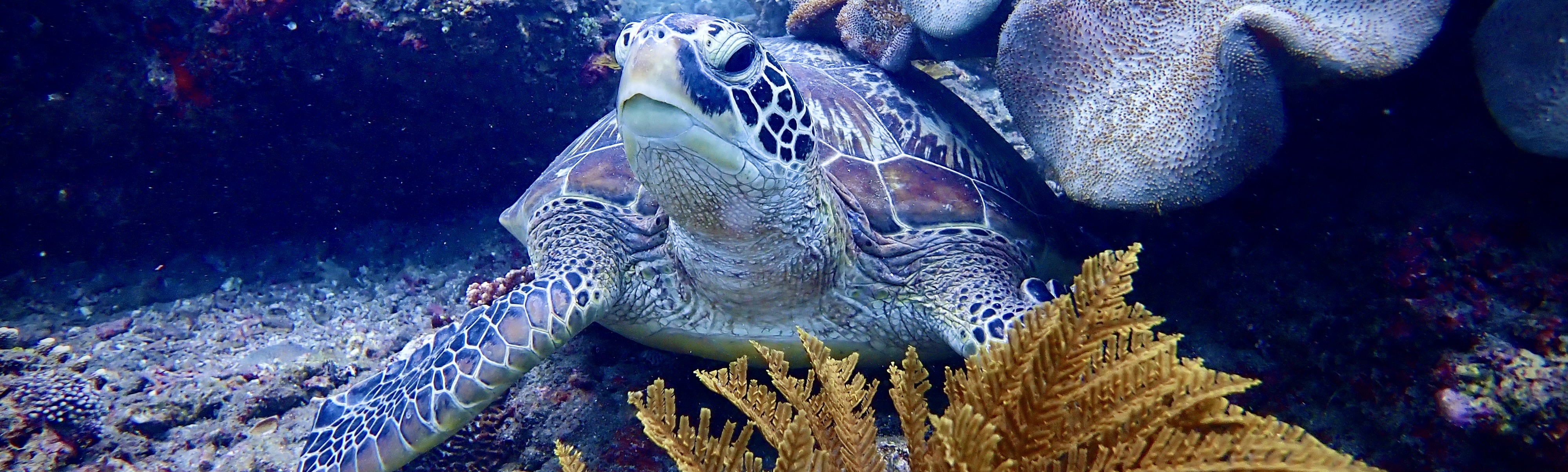
latest photos
-
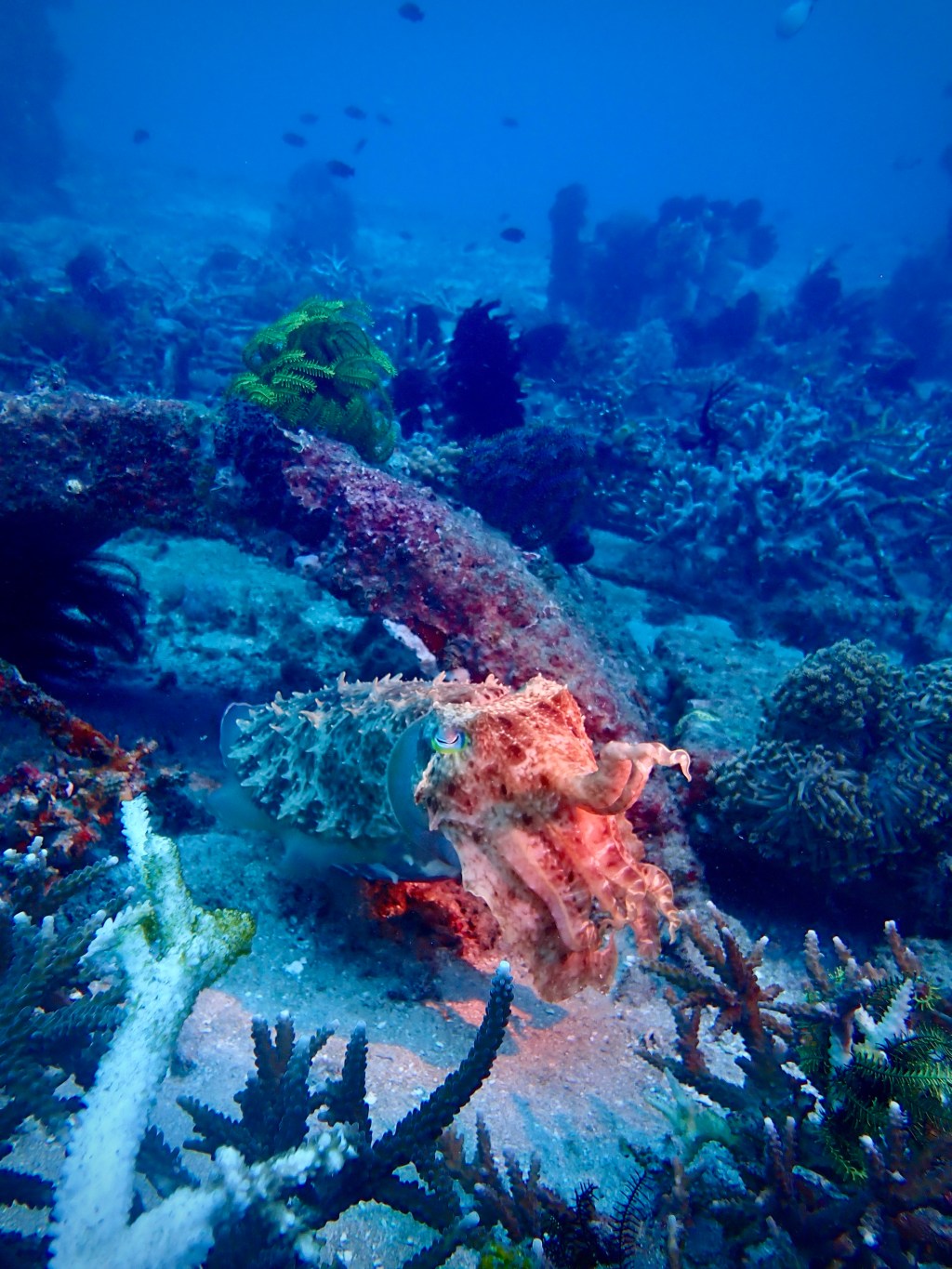
Underwater Illusionist
Extremely intelligent cephalopods, Cuttlefish can change their color, texture, and even patterns instantly to blend into their surroundings or communicate with others. 🔎
-
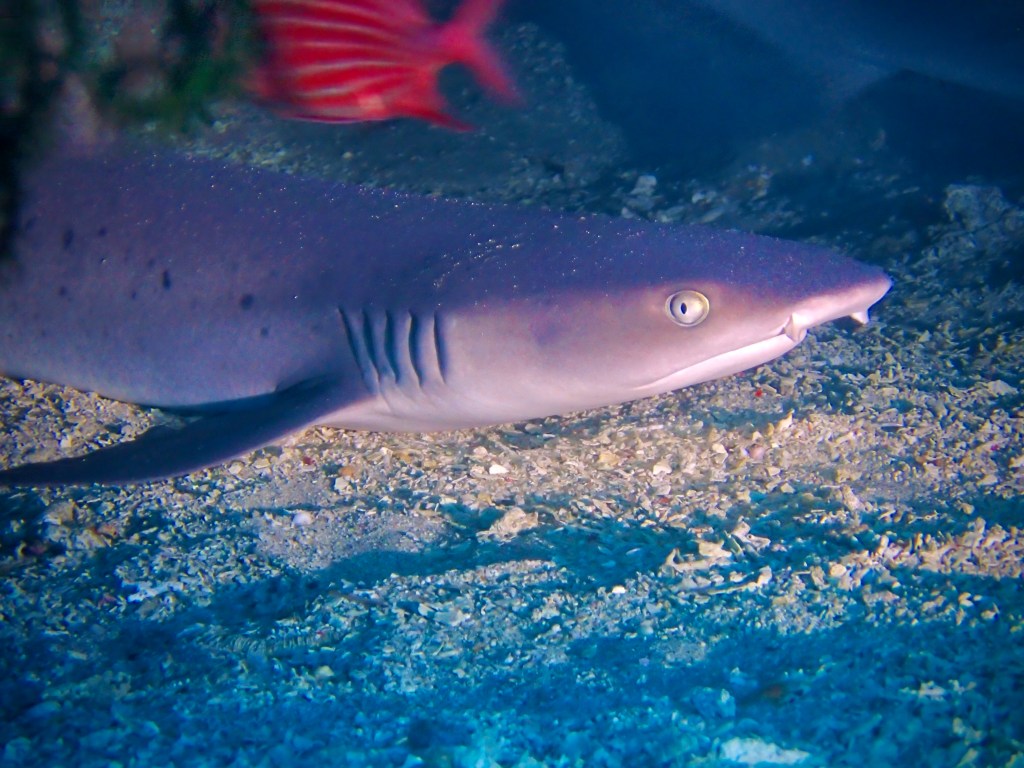
Resting up
Unlike most sharks, reef sharks can rest on the ocean floor, relying on subtle gill movements to keep breathing. 🔎
-
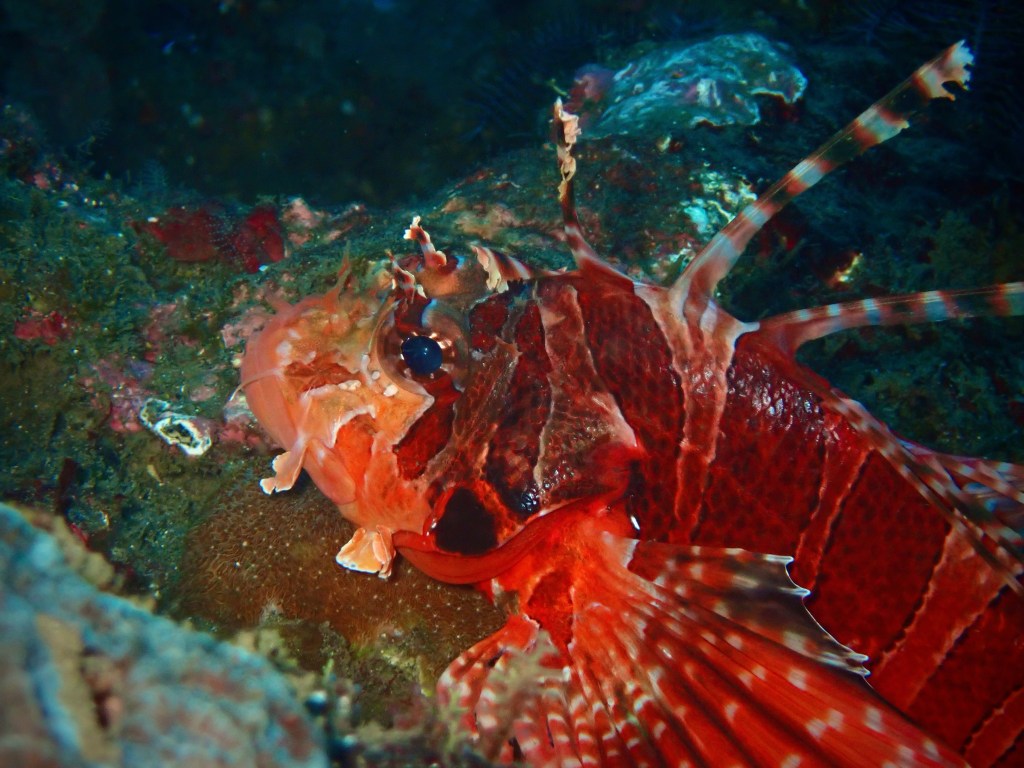
Blending in
Scorpionfish use their natural camouflage to disappear into the reef, making them nearly impossible to spot. 🔎
-
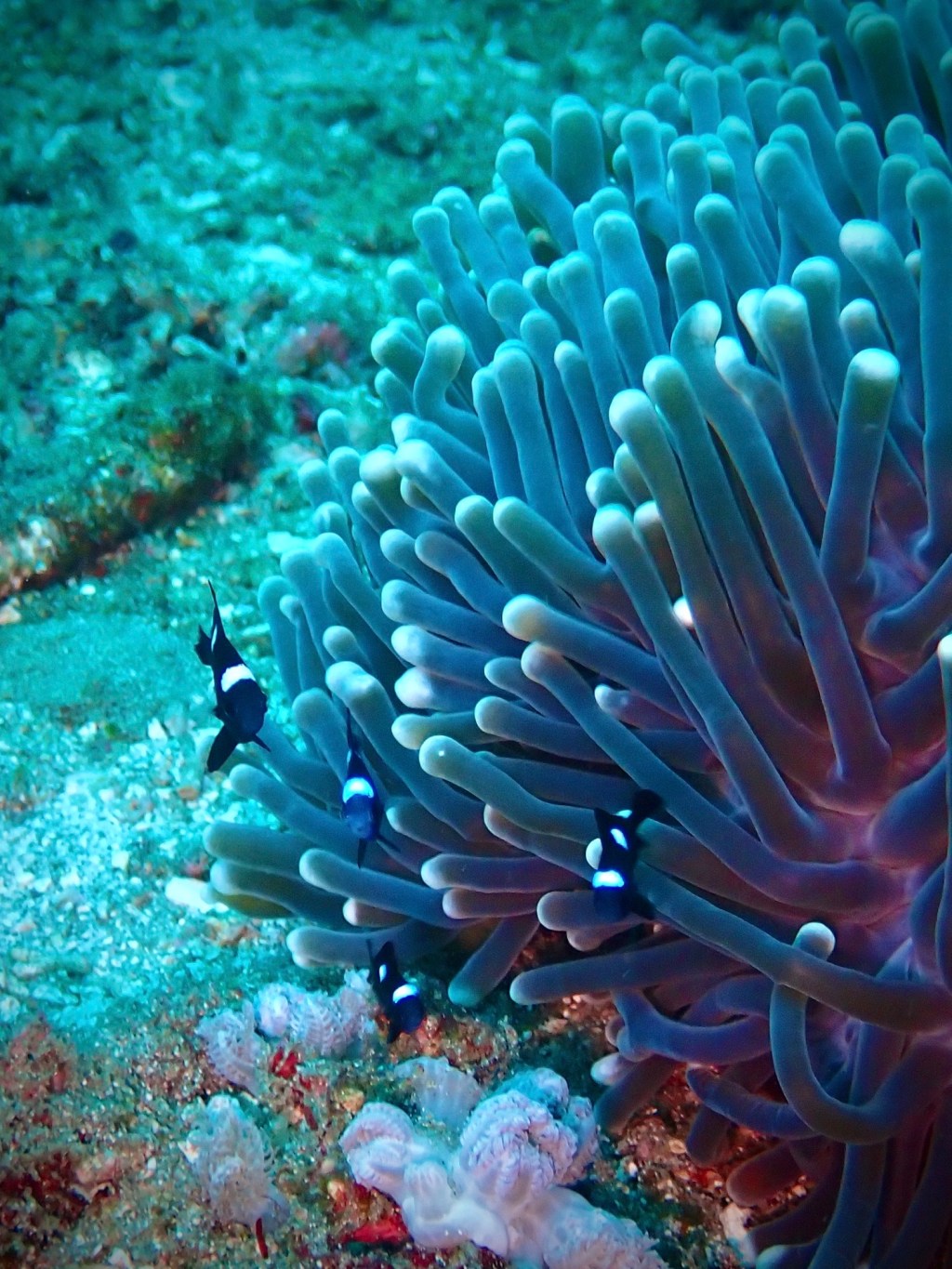
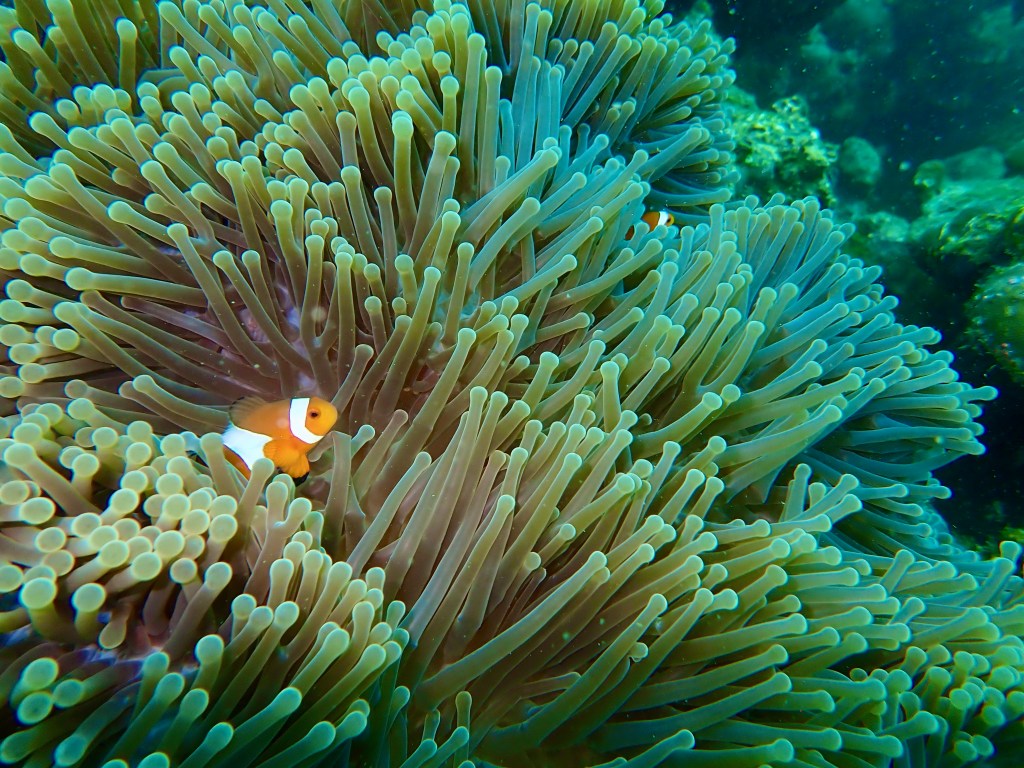
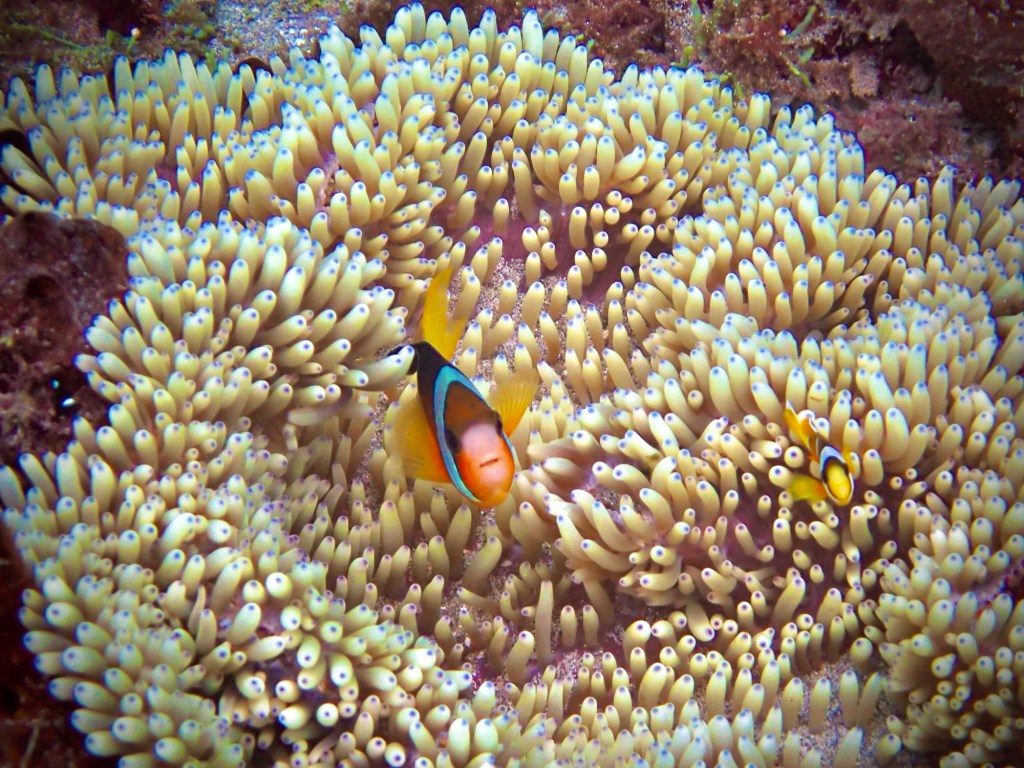
False clownfish
These Domino Damselfish are commonly mistaken for juvenile Clownfish, crowding around their home anemone. 🔎
-

Camouflaged cuttlefish
This cuttlefish blends perfectly with the sand, smoothing its texture as necessary. 🔎
-
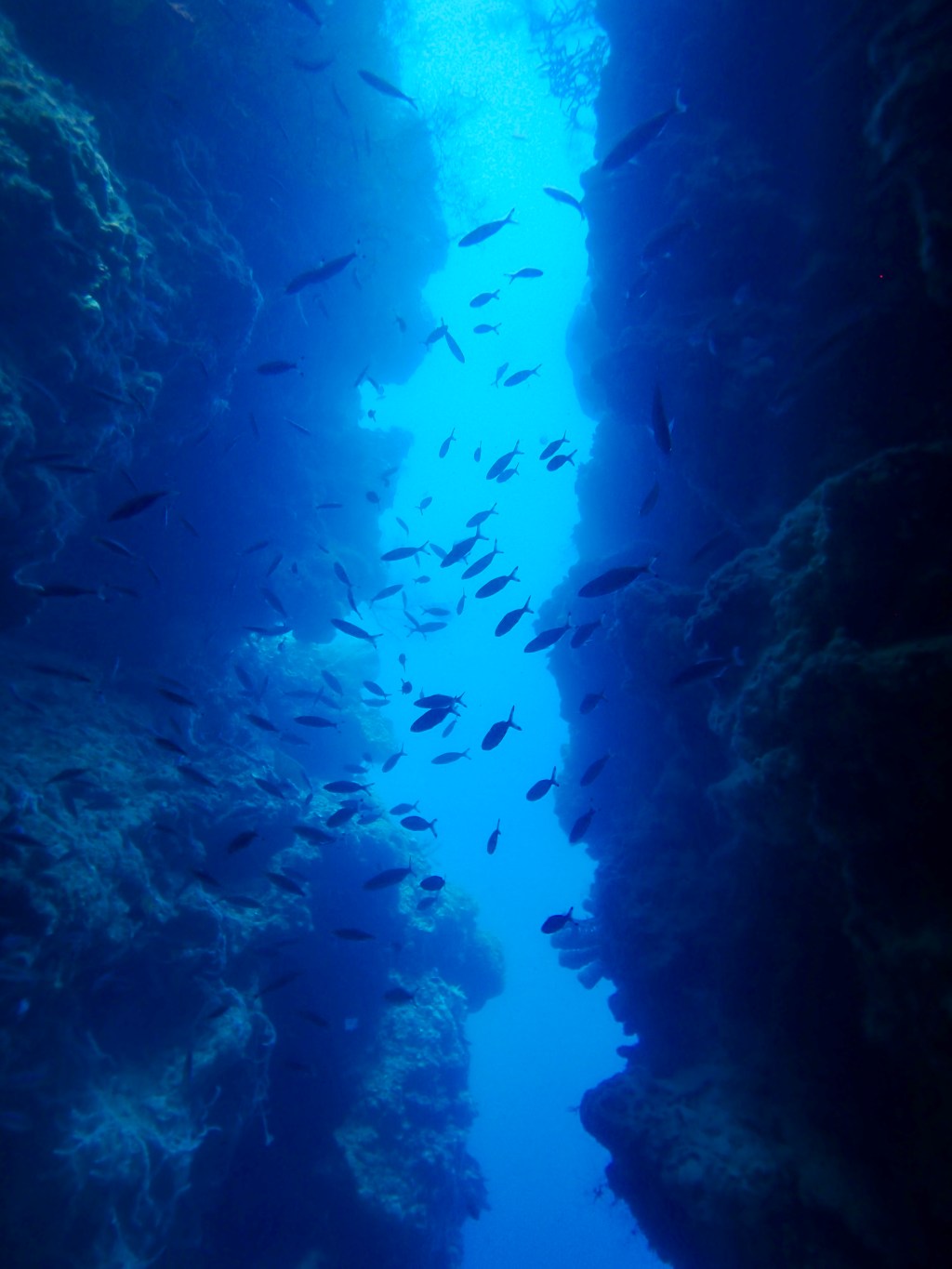
Menjangan drop-off
Menjangan Island is famous for its dramatic underwater cliffs, where sheer drop-offs covered in coral plunge deep into the blue, attracting reef sharks, turtles, and massive schools of fish. 🔎
-
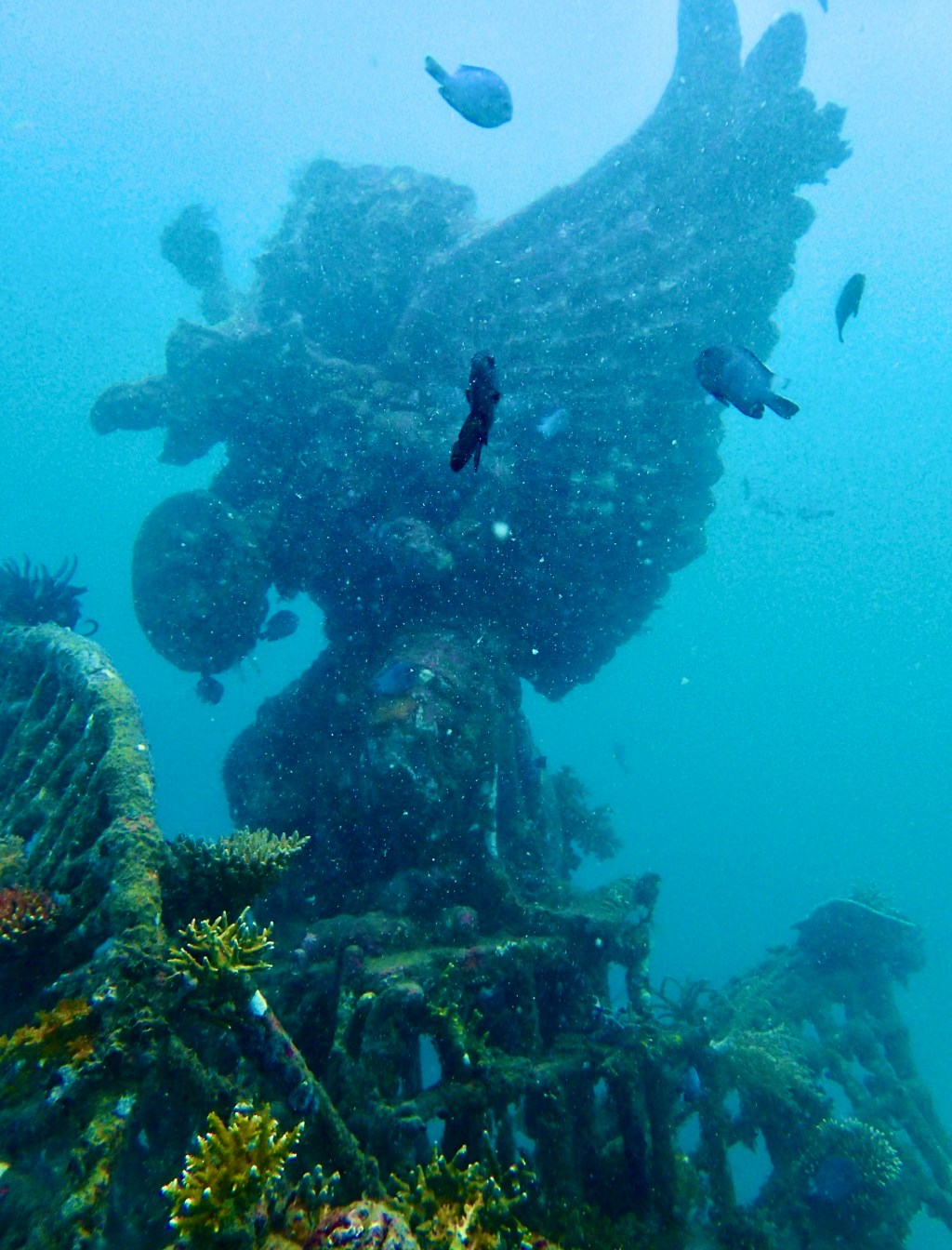
Sunken Statue
The sunken statues in Pemuteran are modern installations that use a gentle Biorock electric current to help coral grow faster and rebuild the reef. 🔎
-
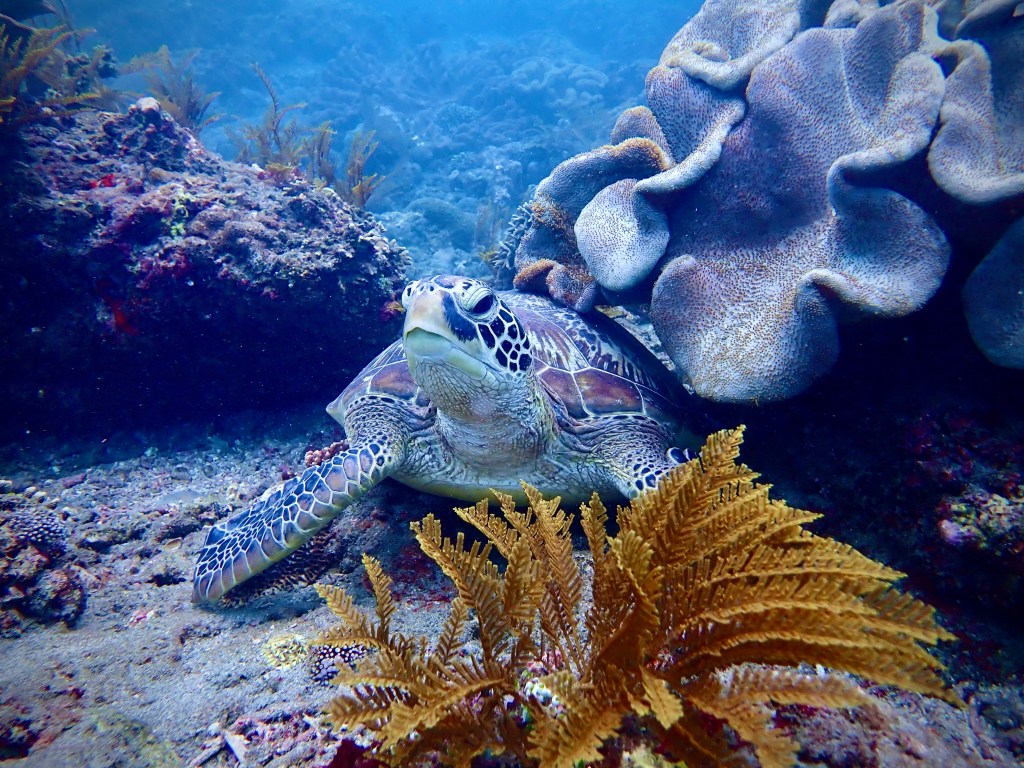
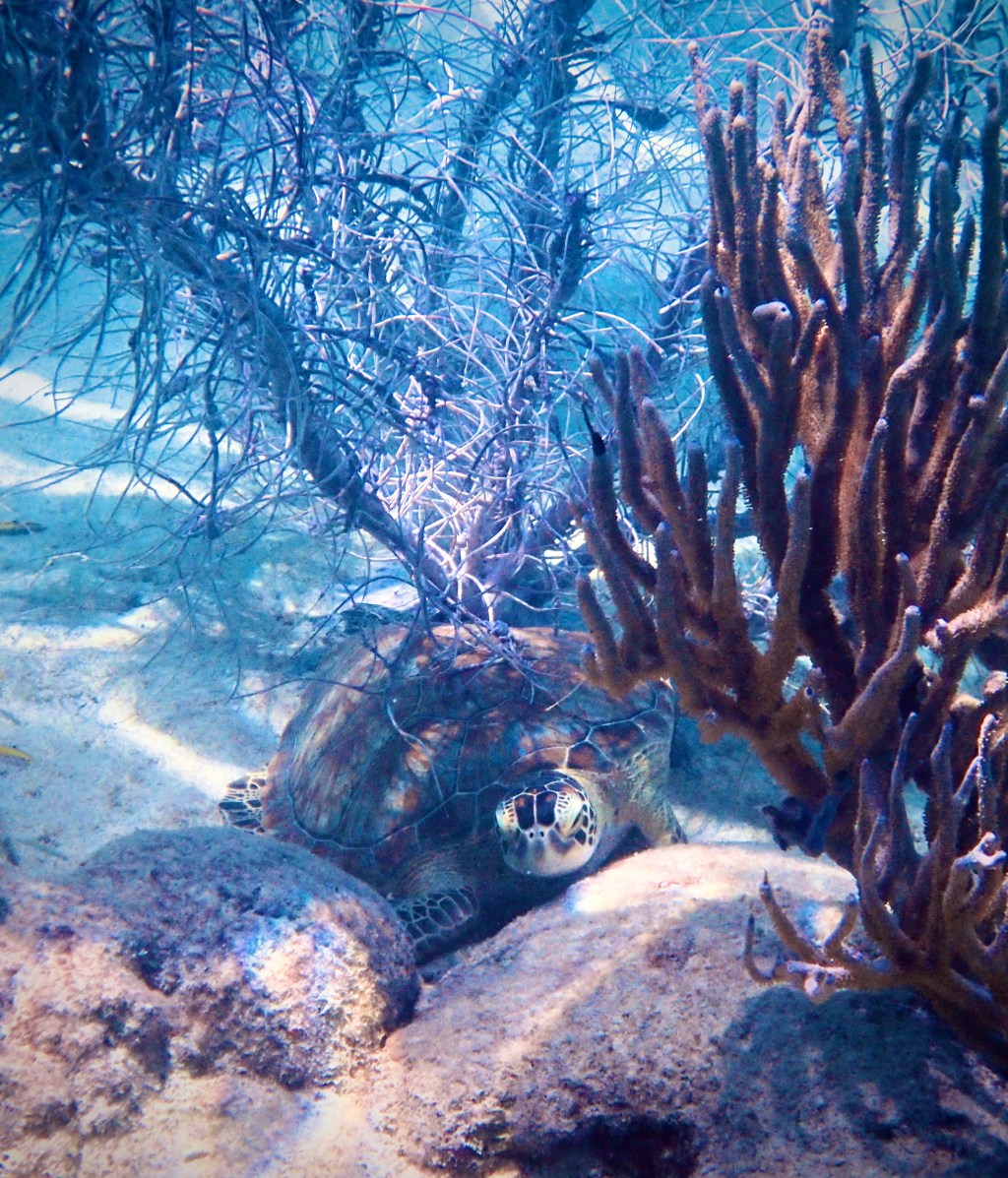
Lounging turtle
This green sea turtle lounges under a coral overhang, a common sight in Bali’s waters, where strong currents bring a buffet of seagrass and jellyfish. 🔎
-
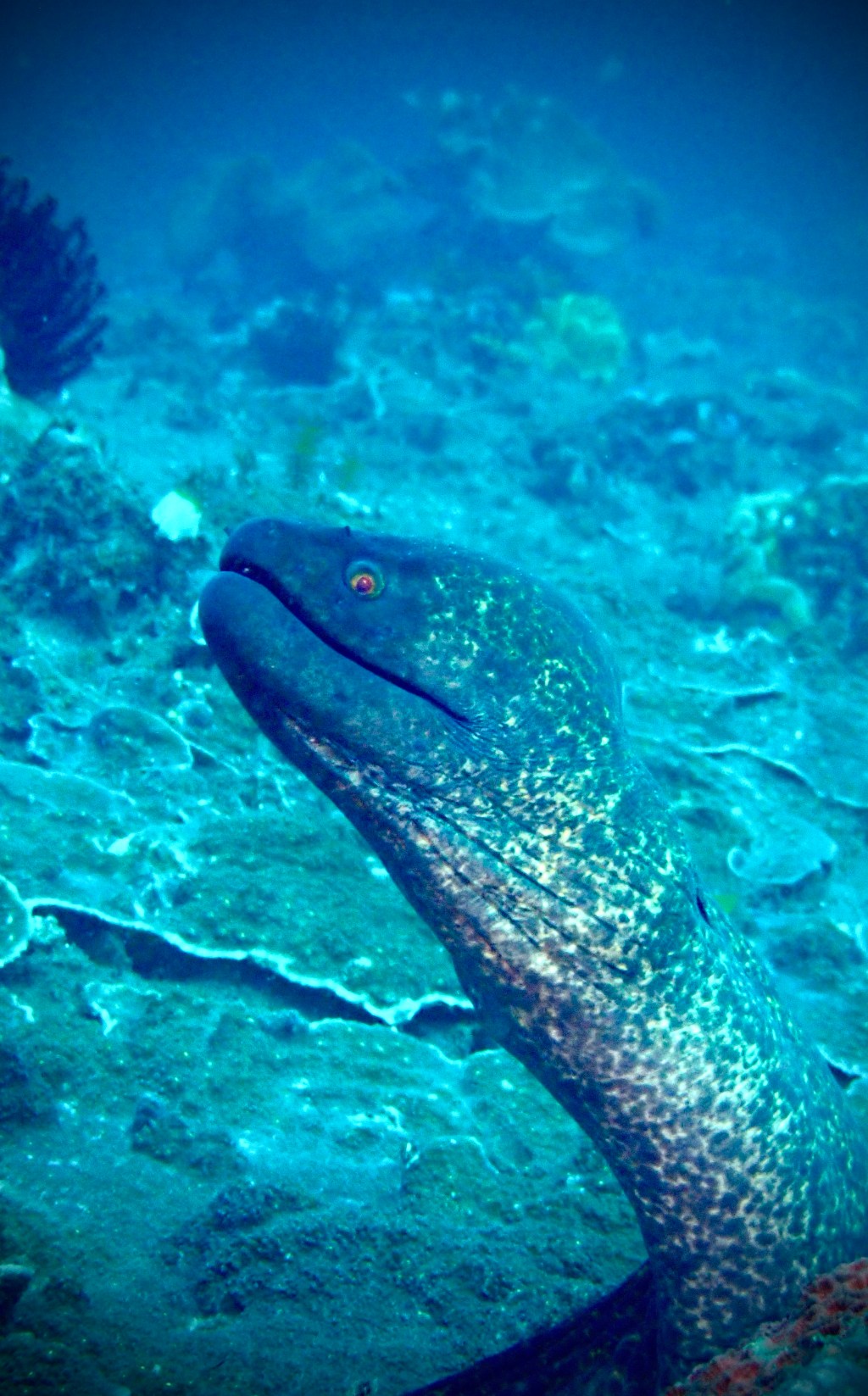
Yellow-edged moray
This moray lurks in its reef hideout at Padang Bai, a coastal village where strong currents bring in a rich mix of marine life. 🔎
-
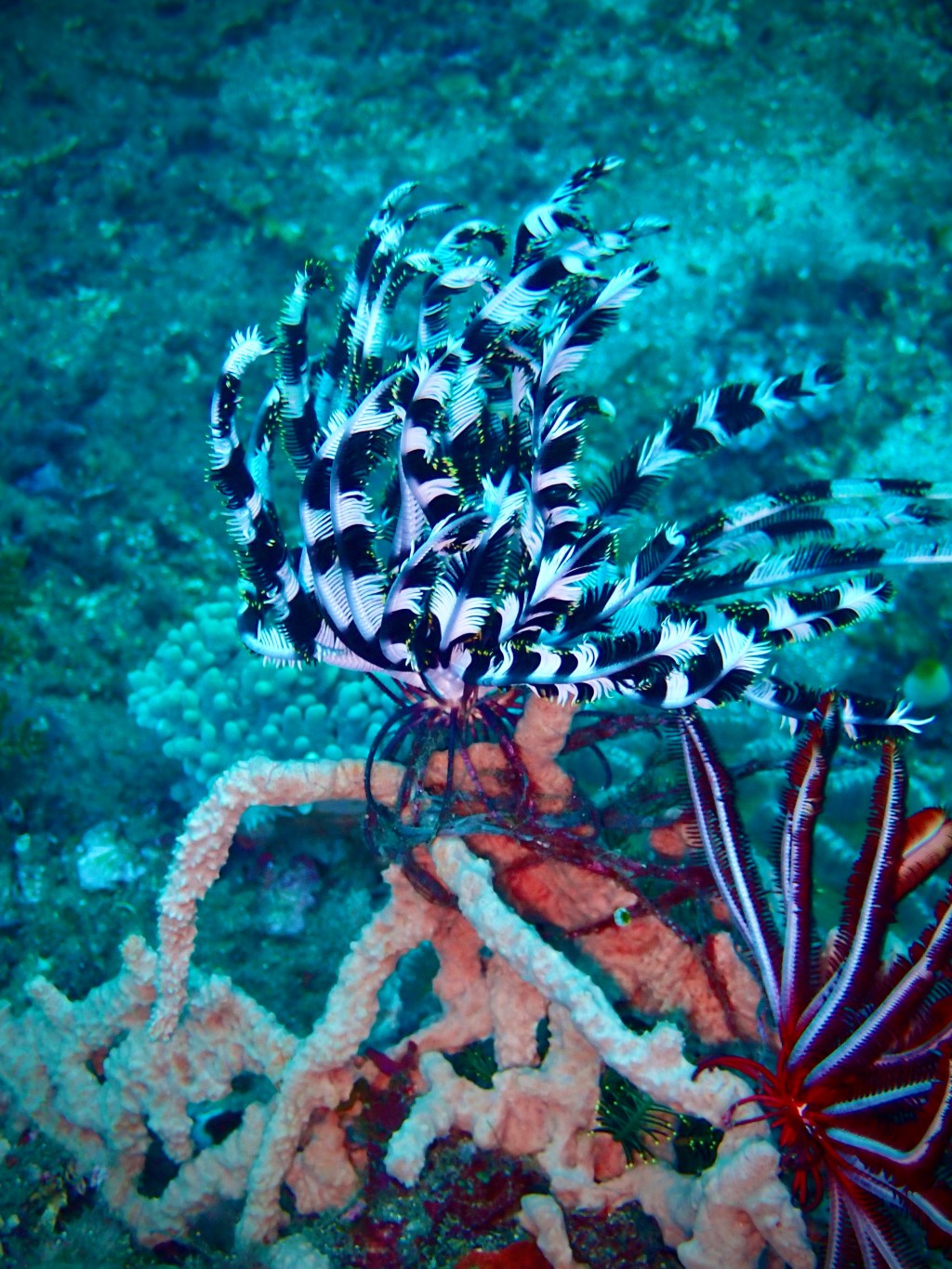
Marine feathers
The black-and-white feathery organisms on the soft coral are crinoids, ancient marine animals related to sea stars that use their feathery arms to filter plankton from the water. 🔎
-

Juvenile Macaque
Native to Southeast Asia, these intelligent and social primates live in large troops and are often seen climbing trees or foraging on the forest floor. 🔎
-
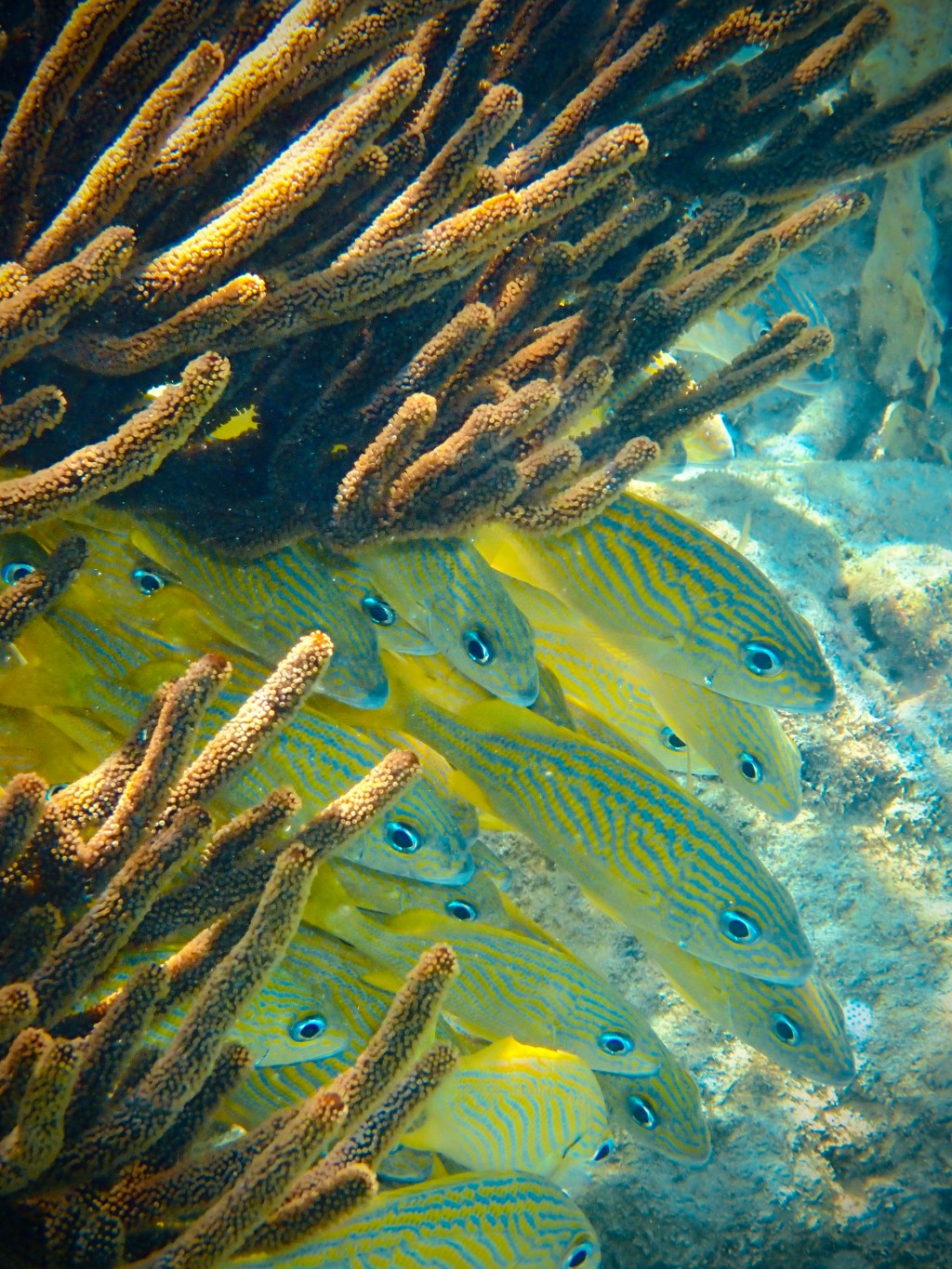
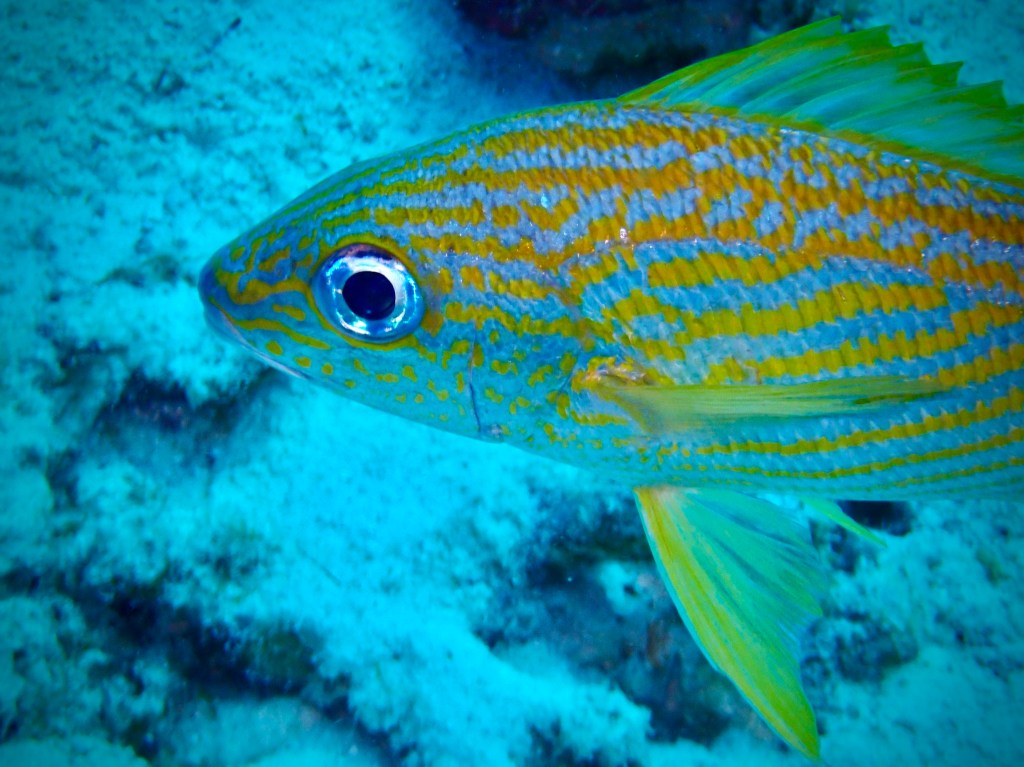
Sea rod grunts
Congregating under sea rod coral, these distinctive fish are known for their large schools. 🔎
-
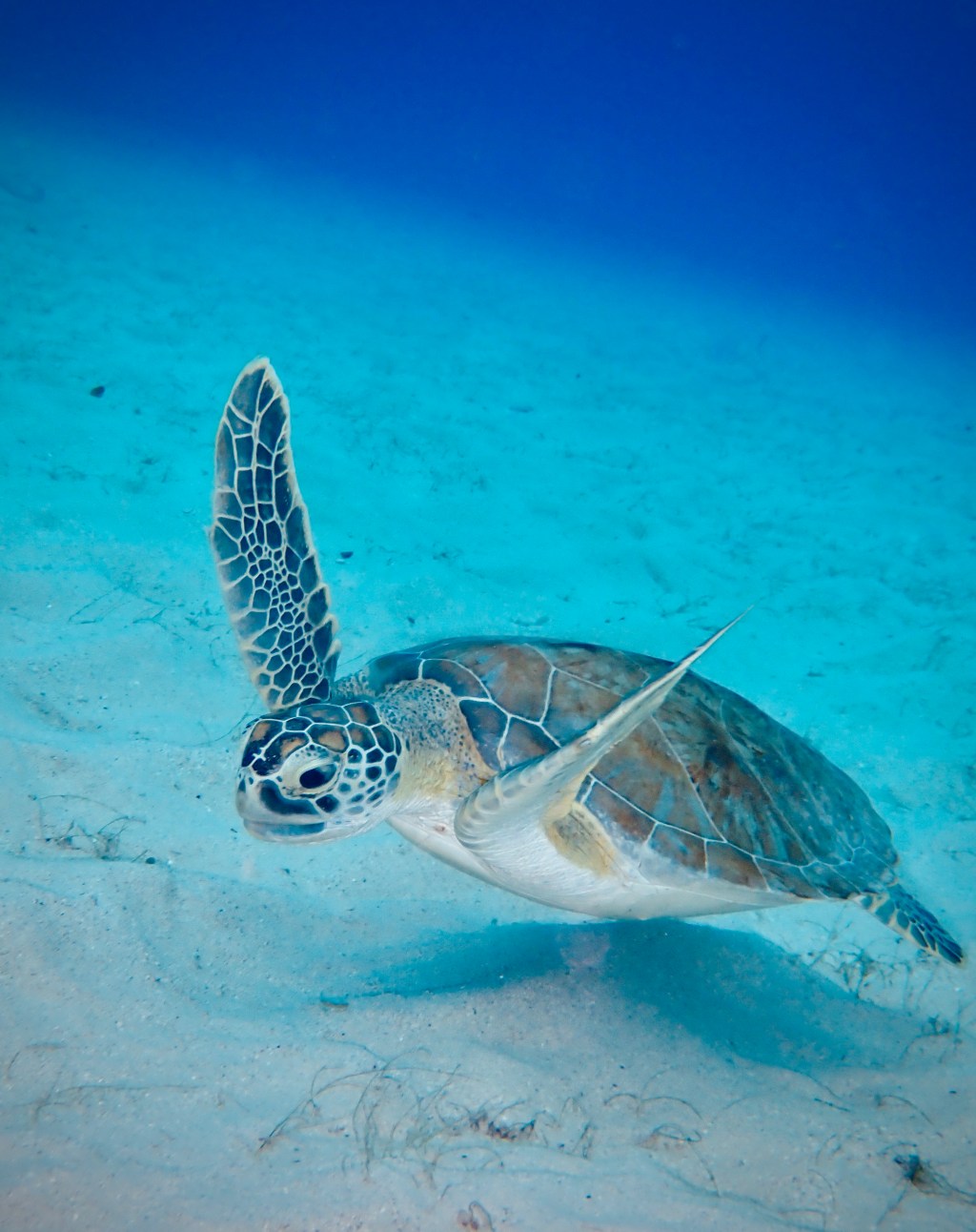
Boka Sami grazer
Green sea turtles shift from eating worms and crustaceans as juveniles to a fully plant-based diet as adults. 🔎
-
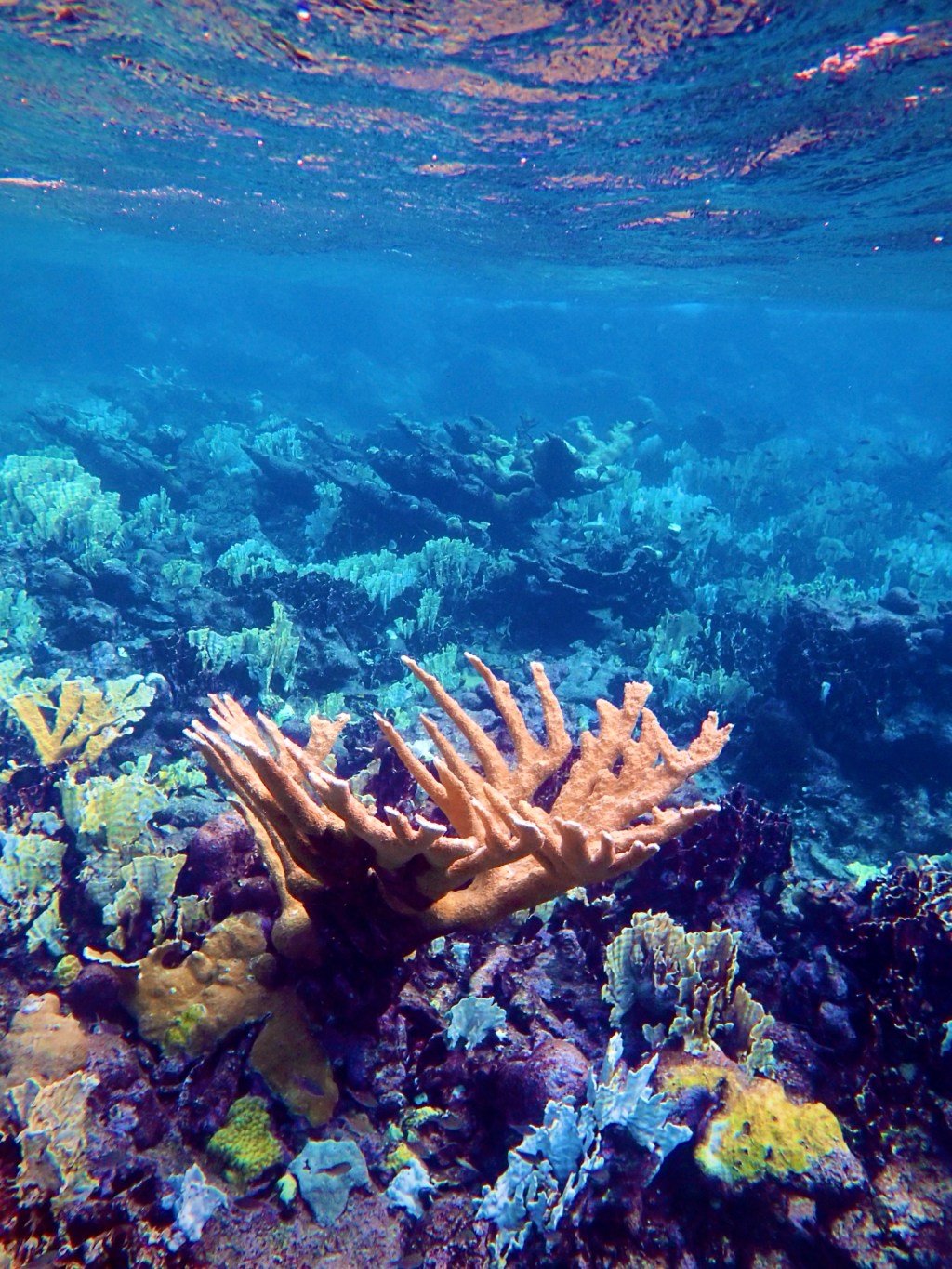
Mambo Bleach
This stag coral has survived September’s high temperatures. Coral bleaching can persist for months. 🔎
-
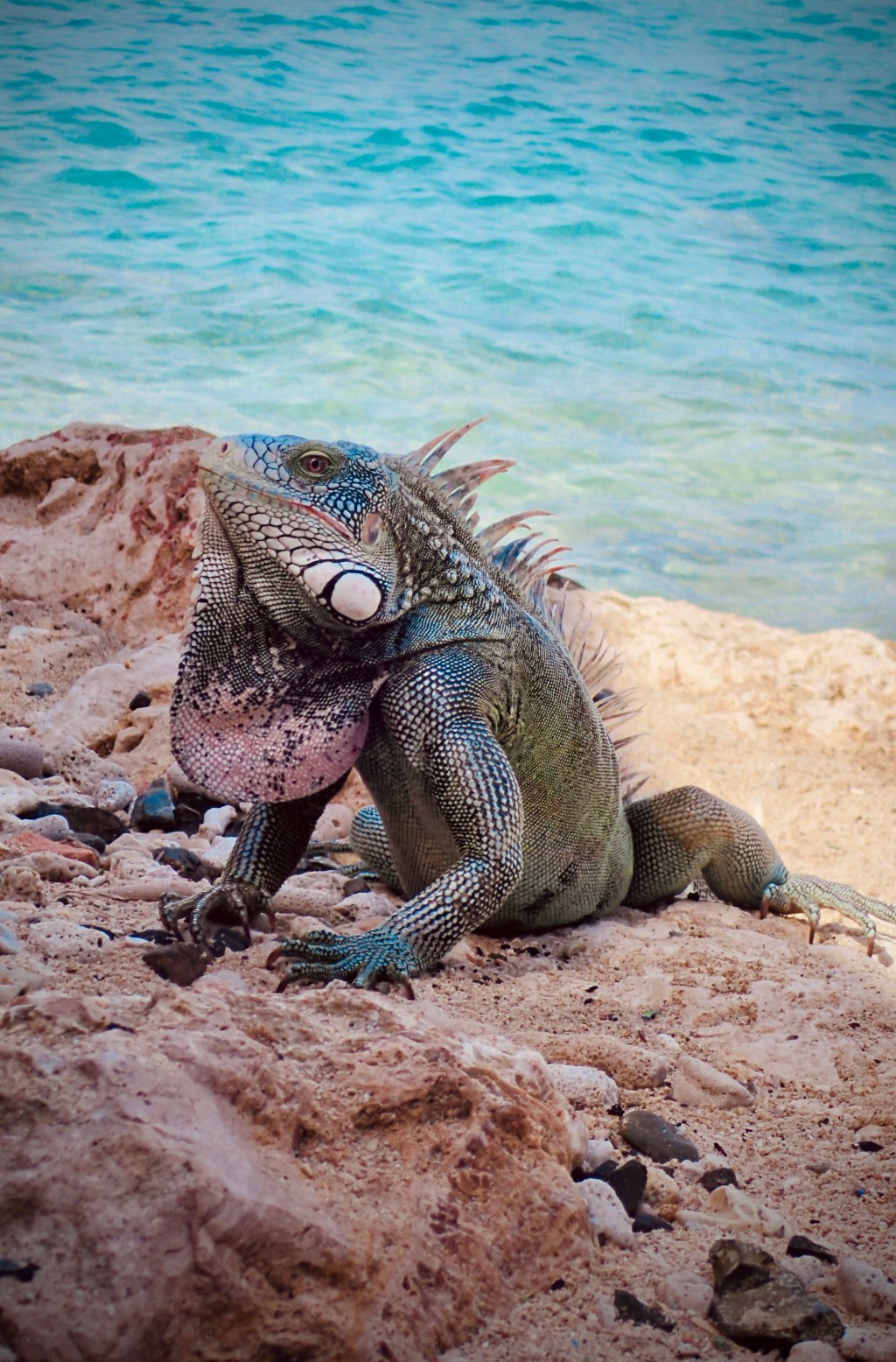
The art of (not) blending in
Iguanas can subtly change their coloration at will. Key point: at will. 🔎
-
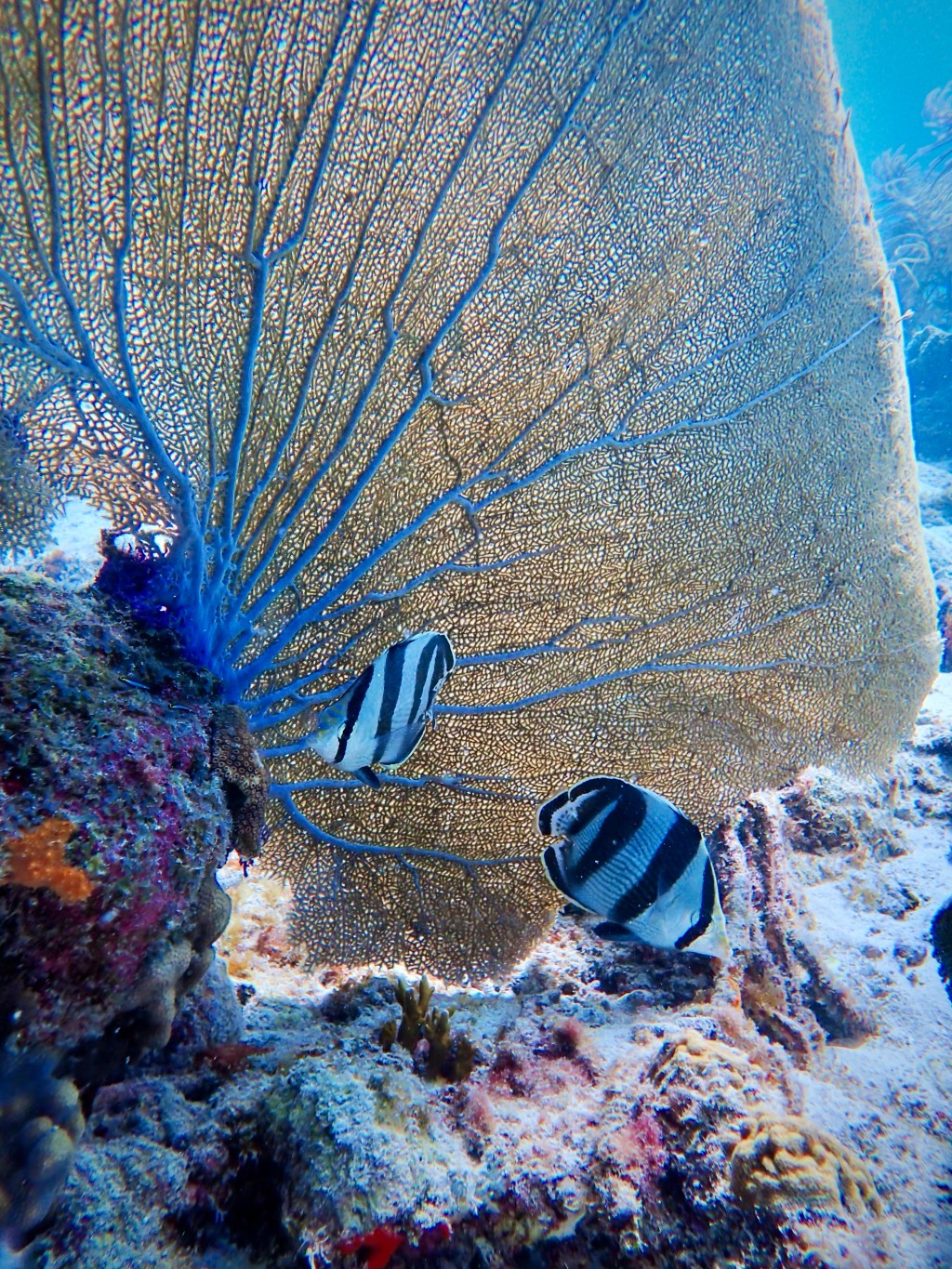
Fan coral fans
This pair of banded butterflyfish have chosen the purple fan coral Georgina ventalina as their home. 🔎