photos and videos by arnold
latest photos
-
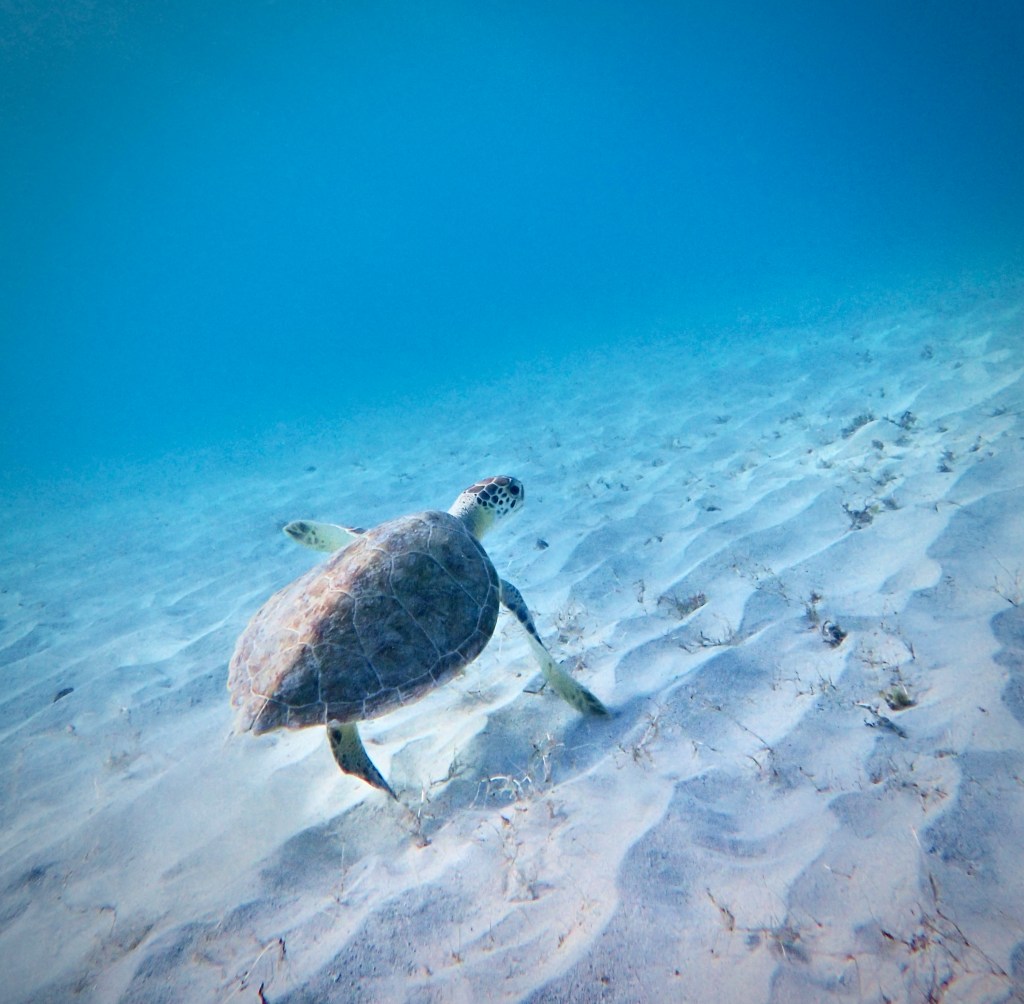
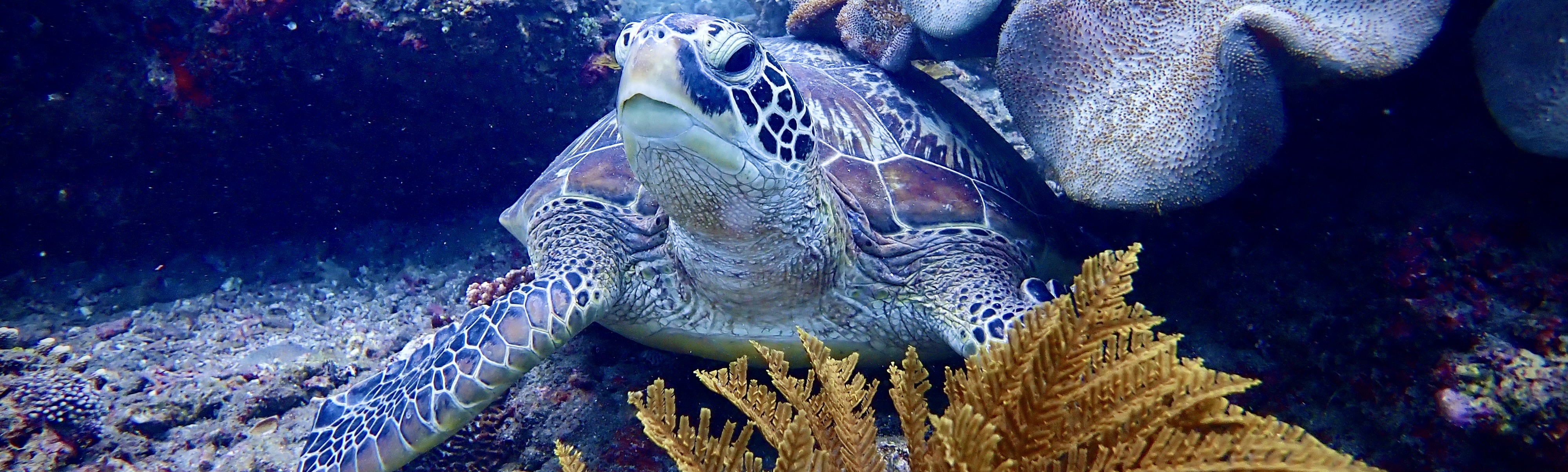
Green turtle
Adult green sea turtles primarily consume plants like seagrasses and algae, making them herbivores. It’s believed that this plant-based diet is responsible for the greenish tint in their fat. 🔎
-
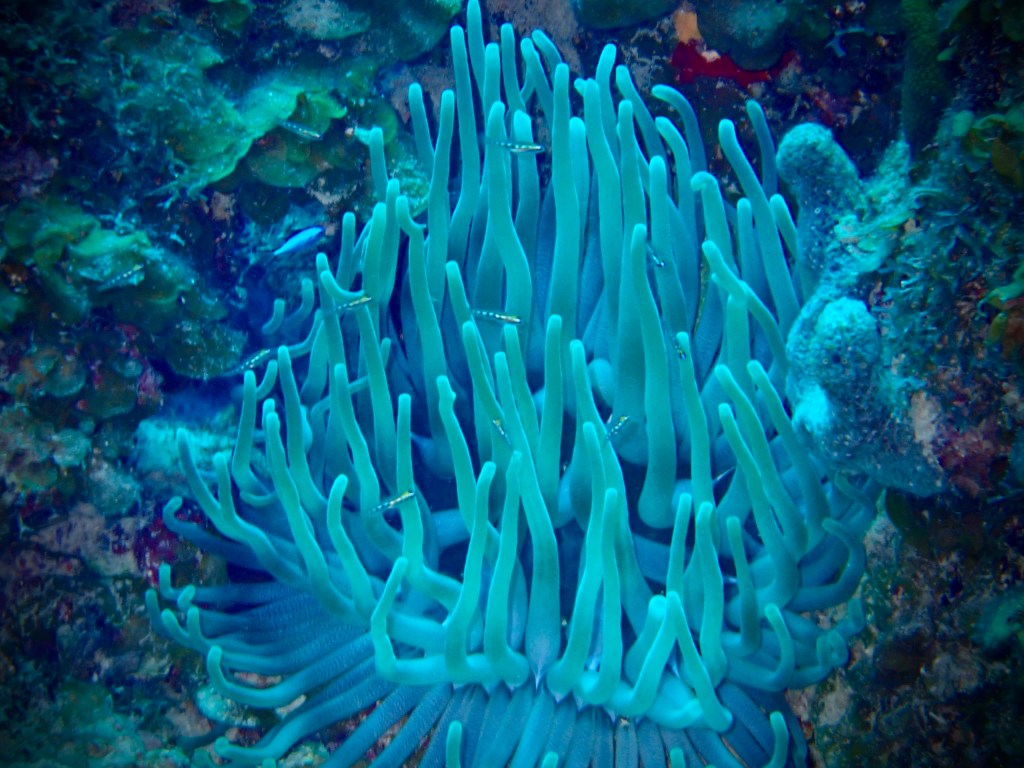
Blue anemone
Though it looks like an ethereal plant, anemones are actually invertebrate animals, and ancient predators. 🔎
-
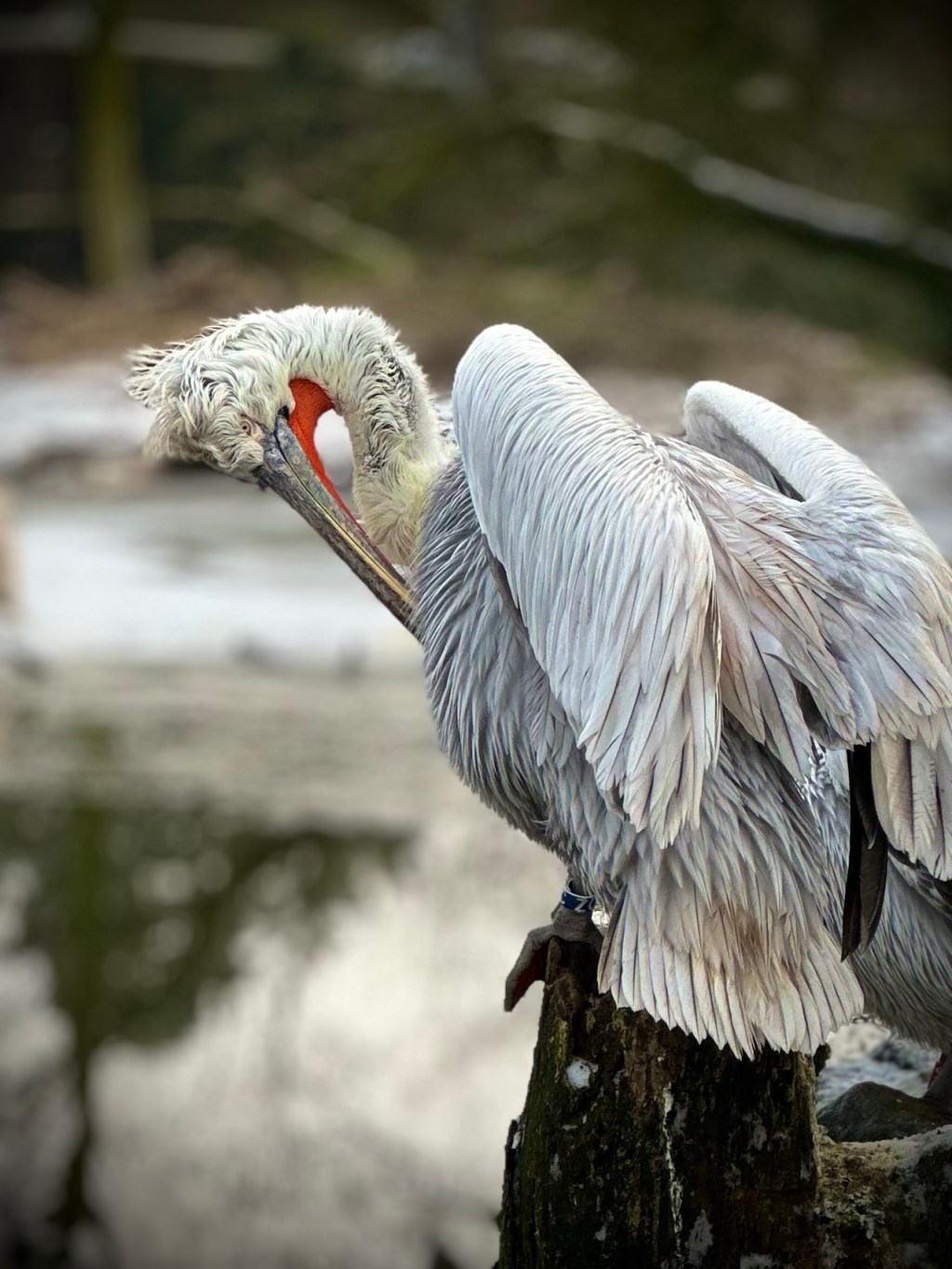
Dalmatian Pelican
The Dalmatian pelican holds the title for the largest pelican species and could be considered the biggest freshwater bird worldwide. 🔎
-
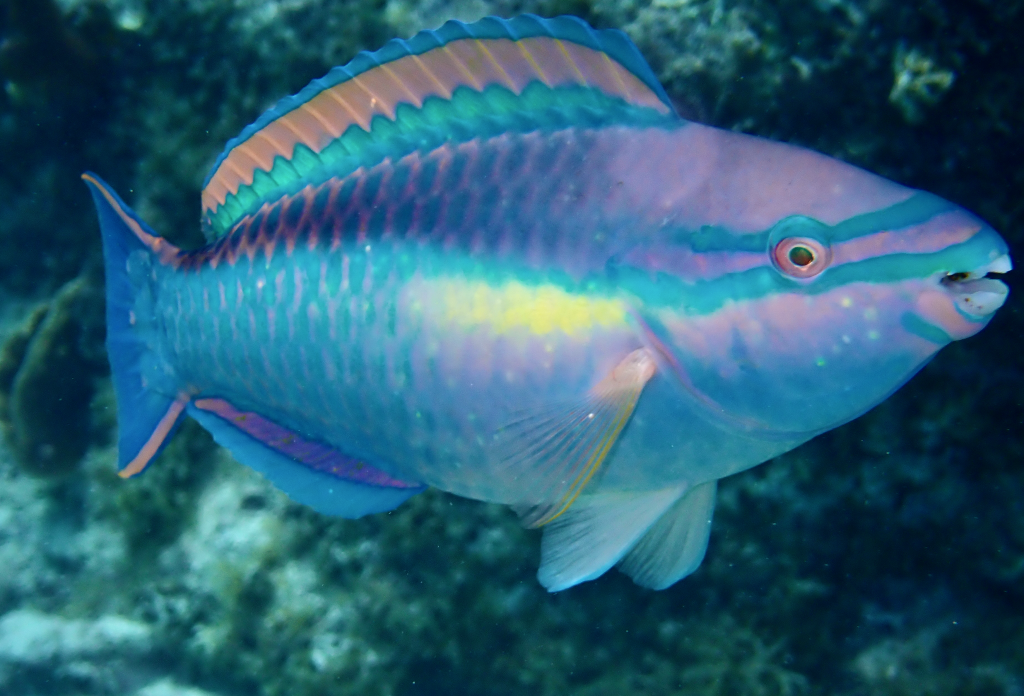
Princess parrotfish
This vibrantly colored fish produces a distinctive ‘chop’ sound as it employs its namesake beak to scrape algae from the reef. 🔎
-
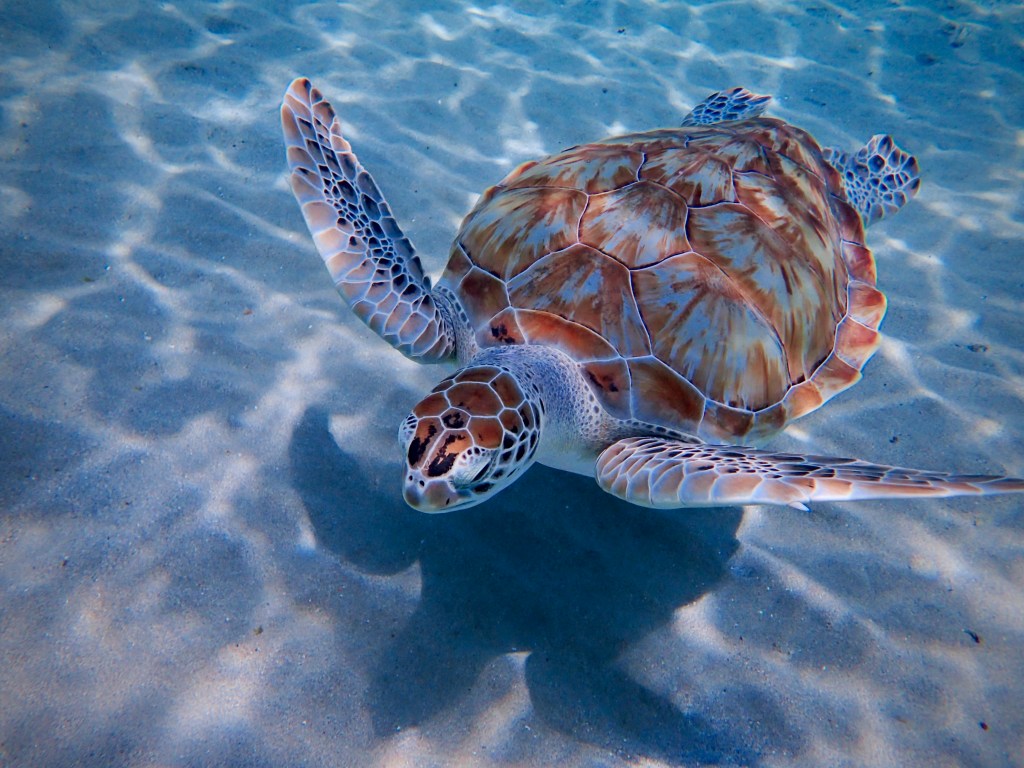
“Green” turtle
Despite their name, Green Turtle shells are not actually green. The name comes from the greenish color of their fat, which is caused by their diet of seagrasses and algae. The shells of green turtles are typically a mixture of brown, olive, and black. 🔎
-
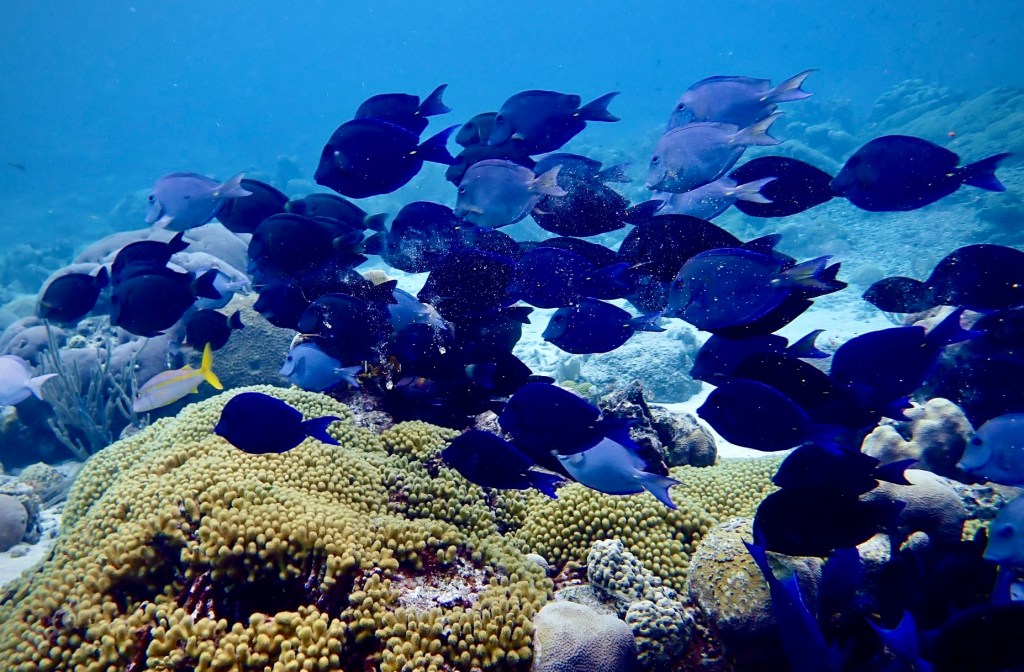
Blue Tangs
In schools of hundreds, these charismatic fish almost seem to change their color at will. 🔎
-
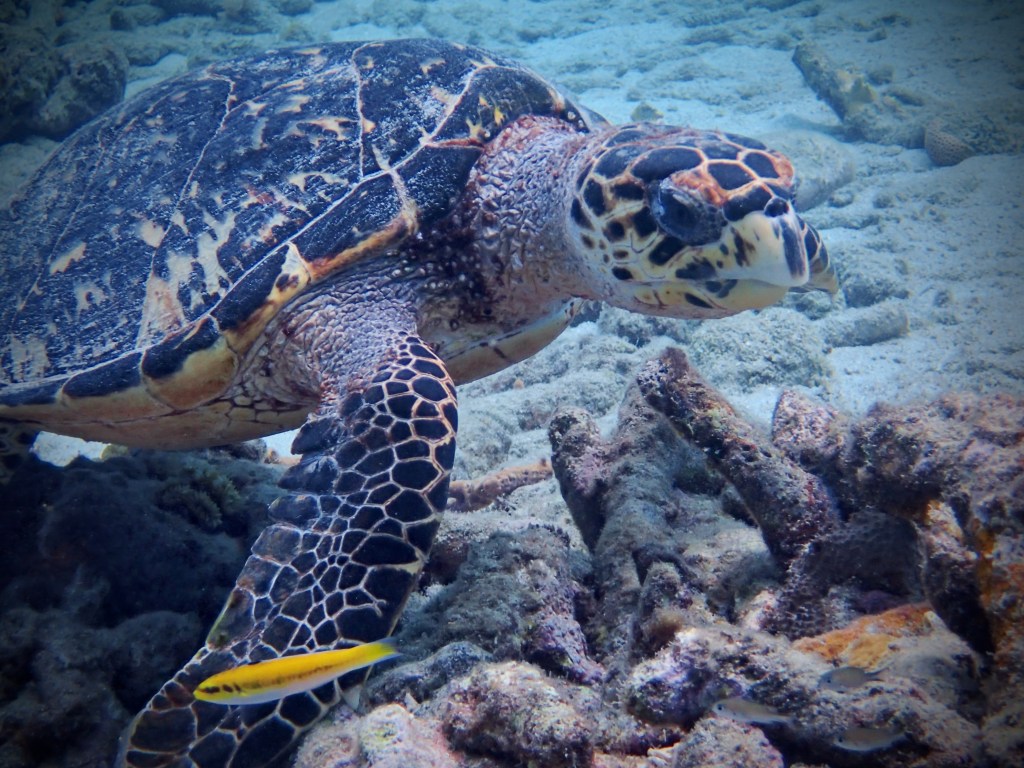
Foraging Hawksbill
Closely related to archosaurs, paleontologists constantly debate the relationship between turtles and their dinosaur, avian and crocodilian cousins. 🔎
-
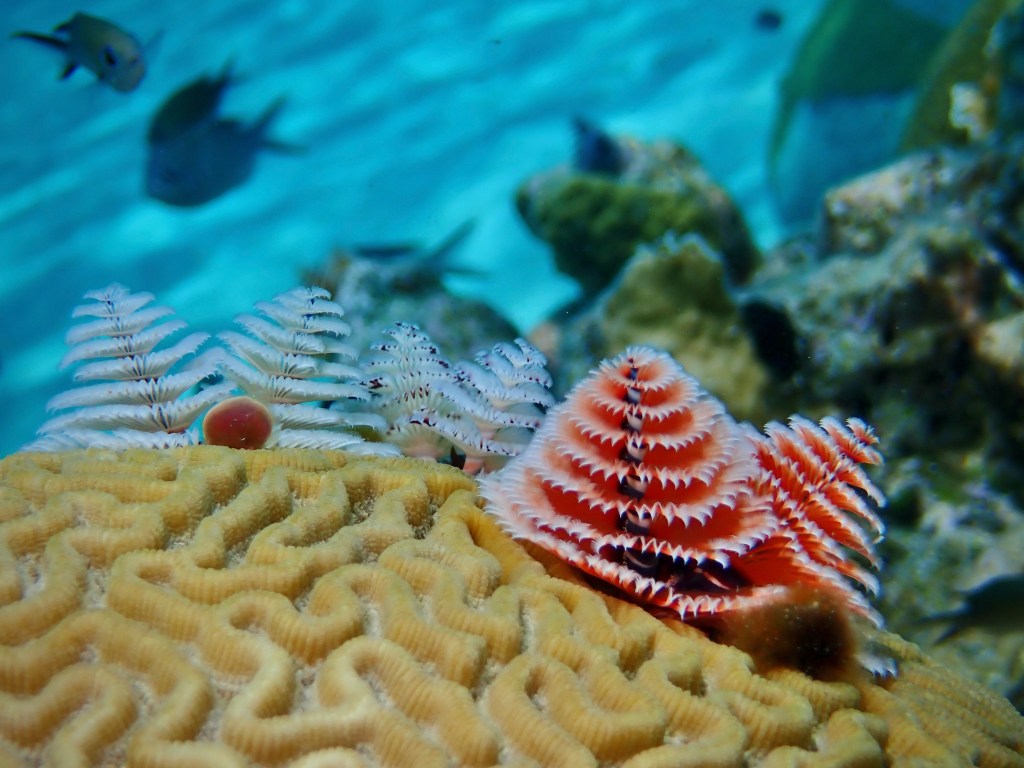
Christmas tree worms
These plant-esque growths on coral disappear when touched, and inspired the Helicoradian plants in Avatar (2009). 🔎
-
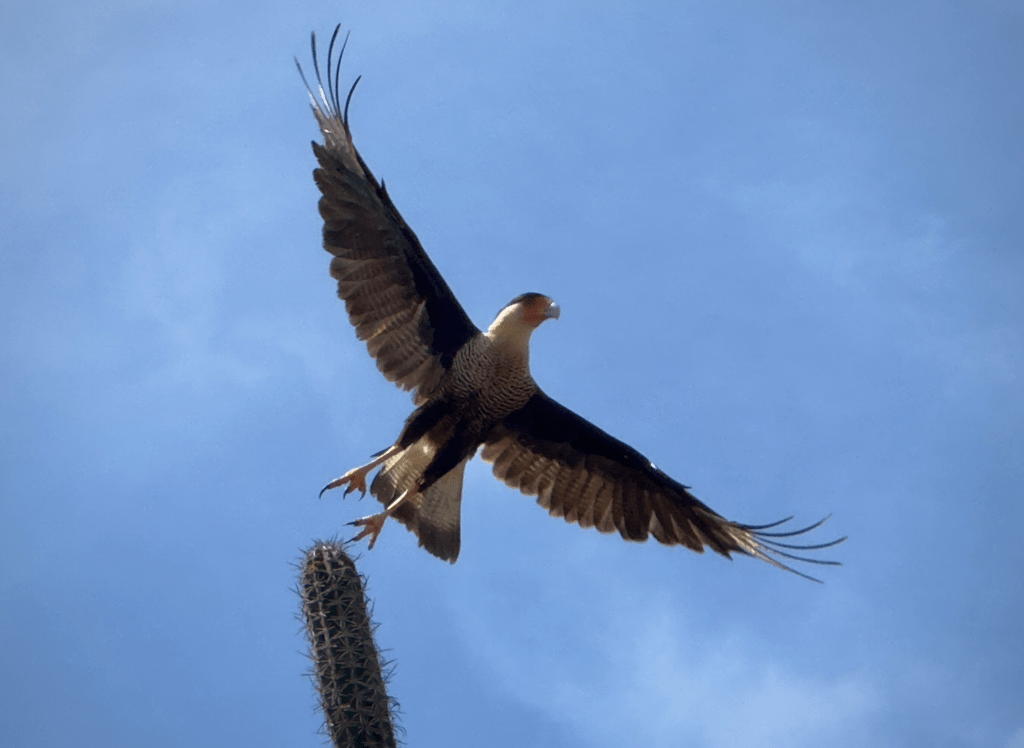
Warawara takes flight
The Warawara, or Crested Caracara, is a scavenger that frequents the North Coast and Bandabou on Curaçao. On the island’s arid North Coast (Noordkust) these birds perch on tall cacti. 🔎
-
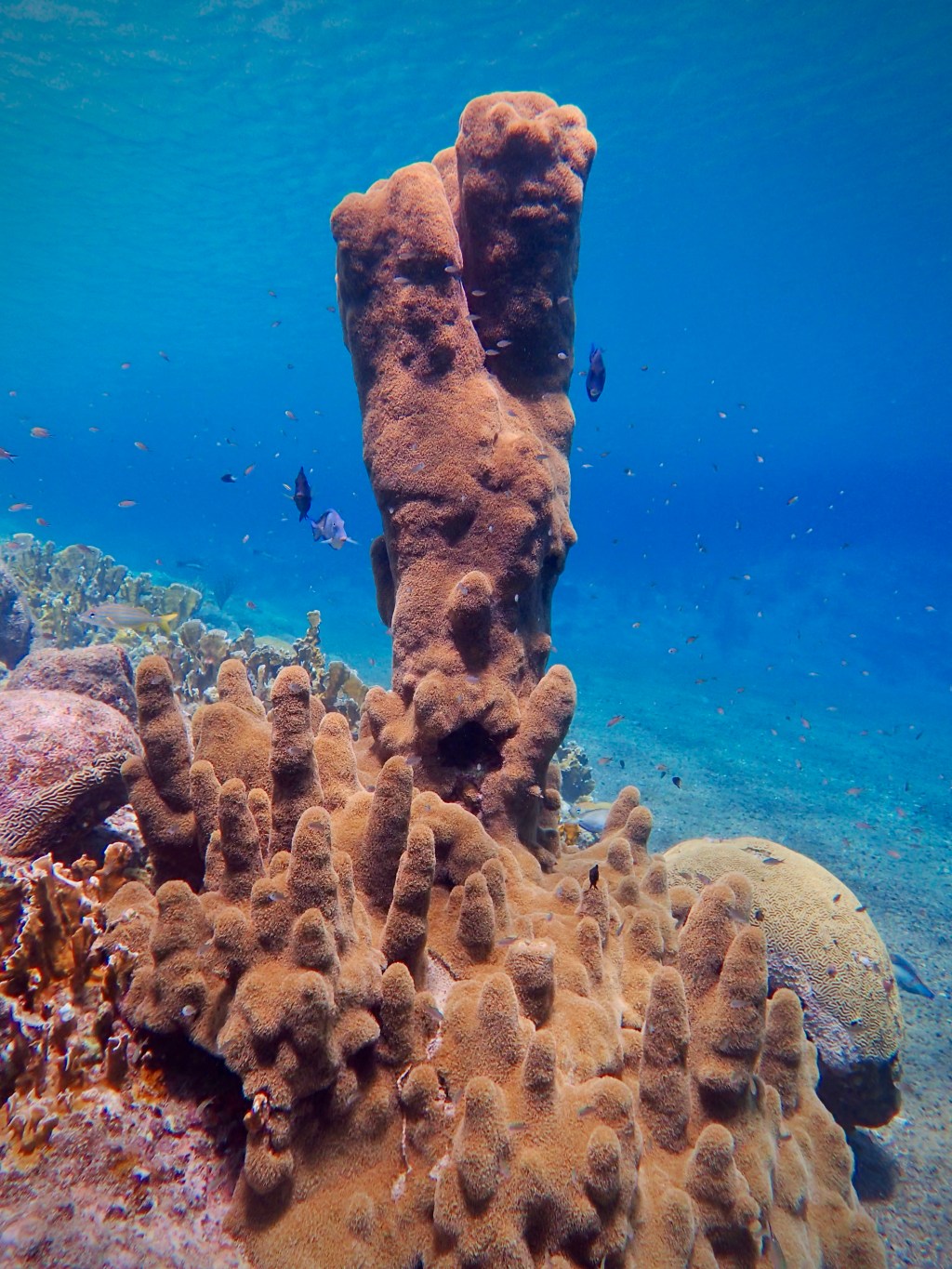
Sponge tower
Long thought to be plants, sponges are an ancient group of animals, and have been around for more than 543 million years. 🔎
-
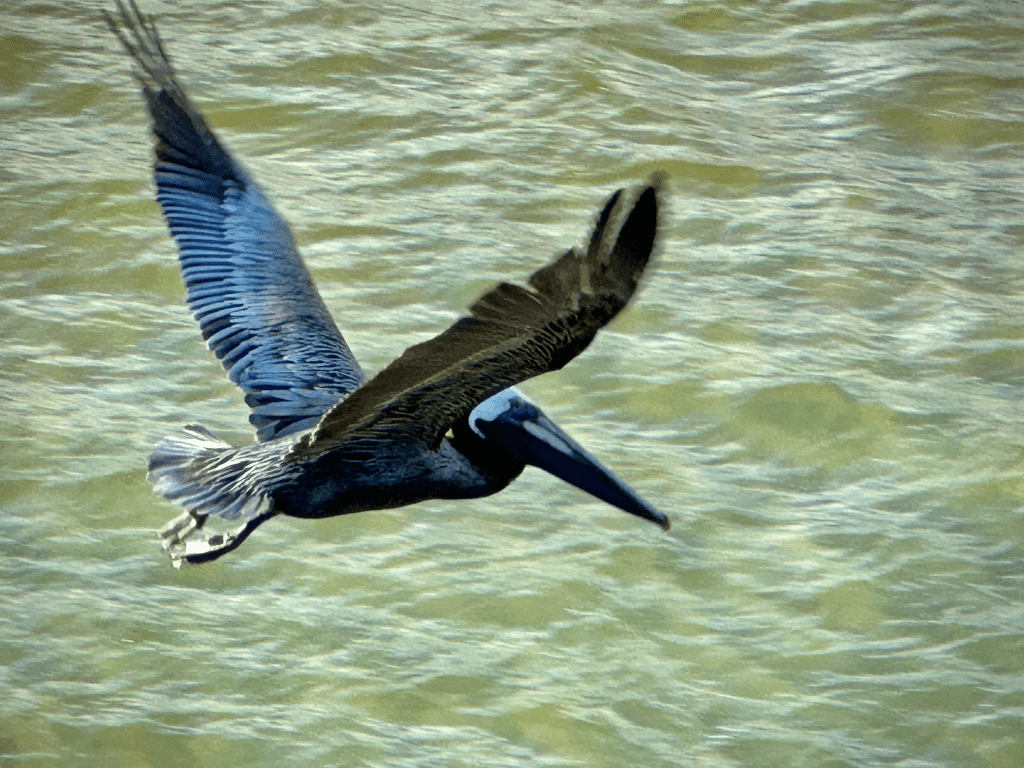
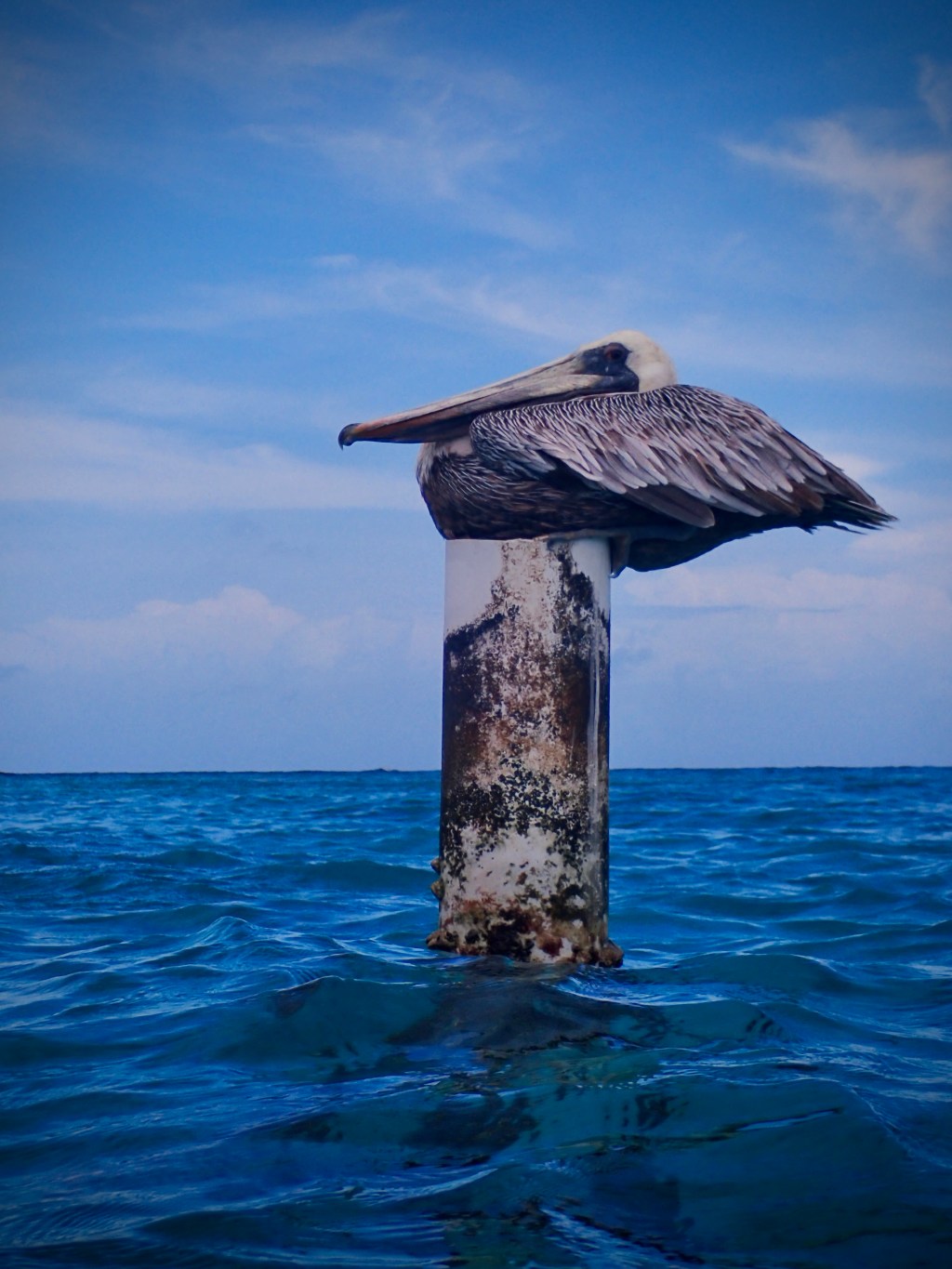
Brown Pelican
The brown pelican is the national bird of Saint Martin, Barbados, Saint Kitts and Nevis, and the Turks and Caicos Islands, and the official state bird of Louisiana. 🔎
-
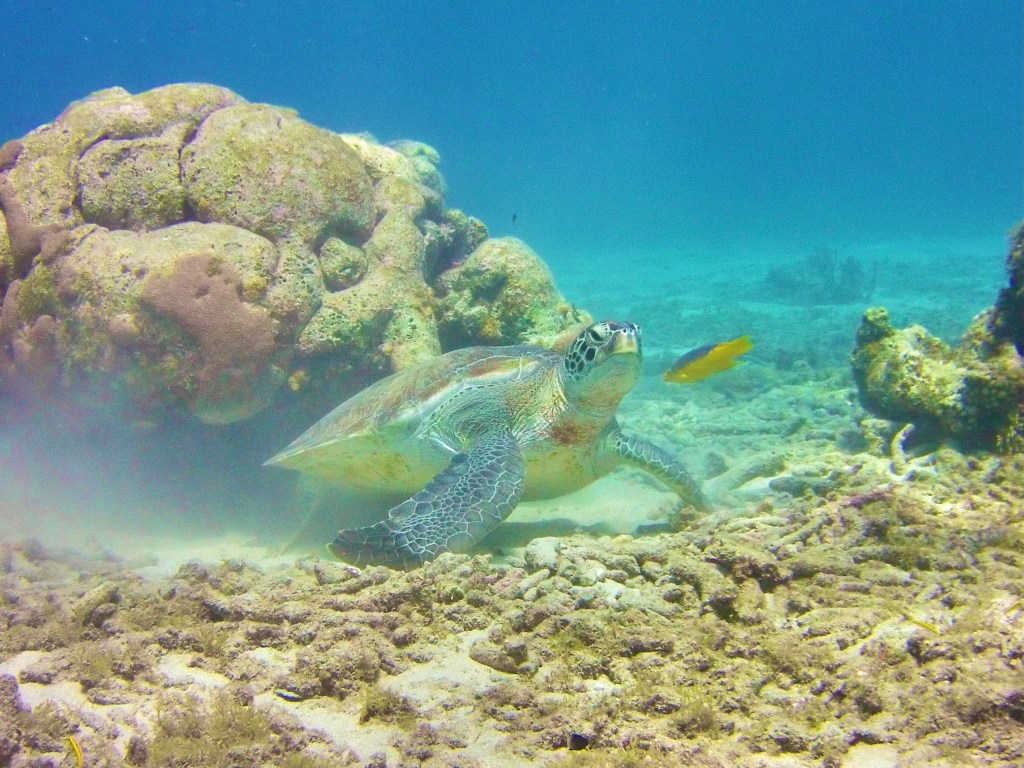
Green turtle
Adult green turtles can weigh as much as 190 kilos—basically a small grand piano with flippers! 🔎
-
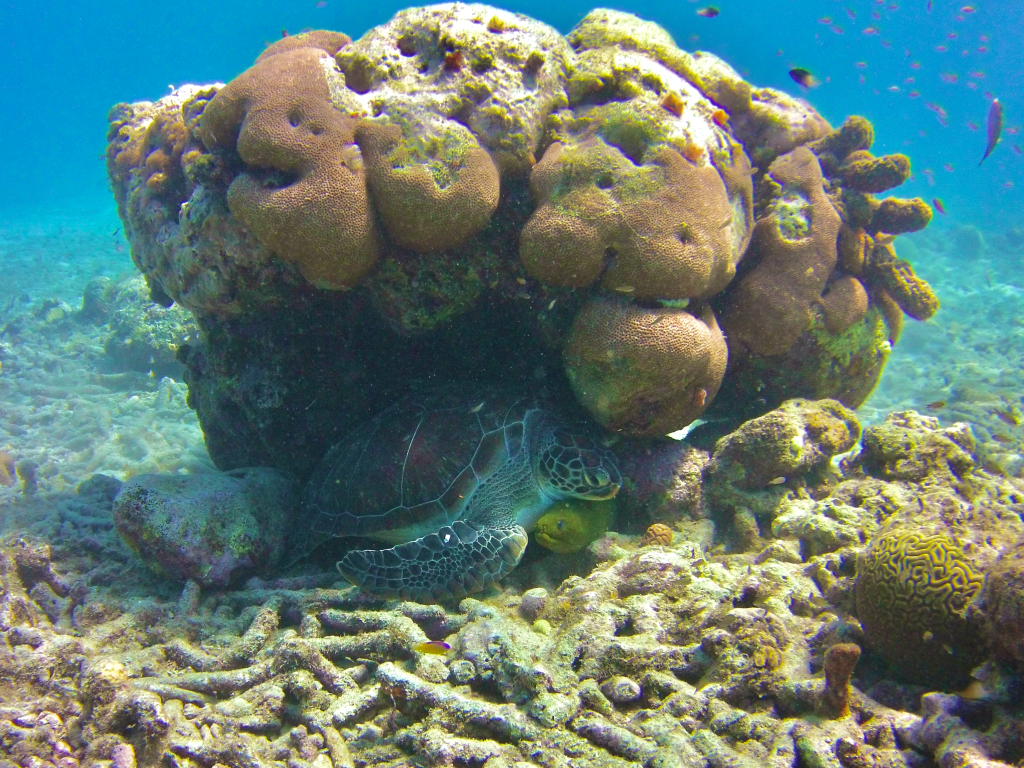
Marine sleepover
This green turtle chose an unlikely friend for his nap- a moray eel. Green turtles can rest for up to 11 hours each day. 🔎
-
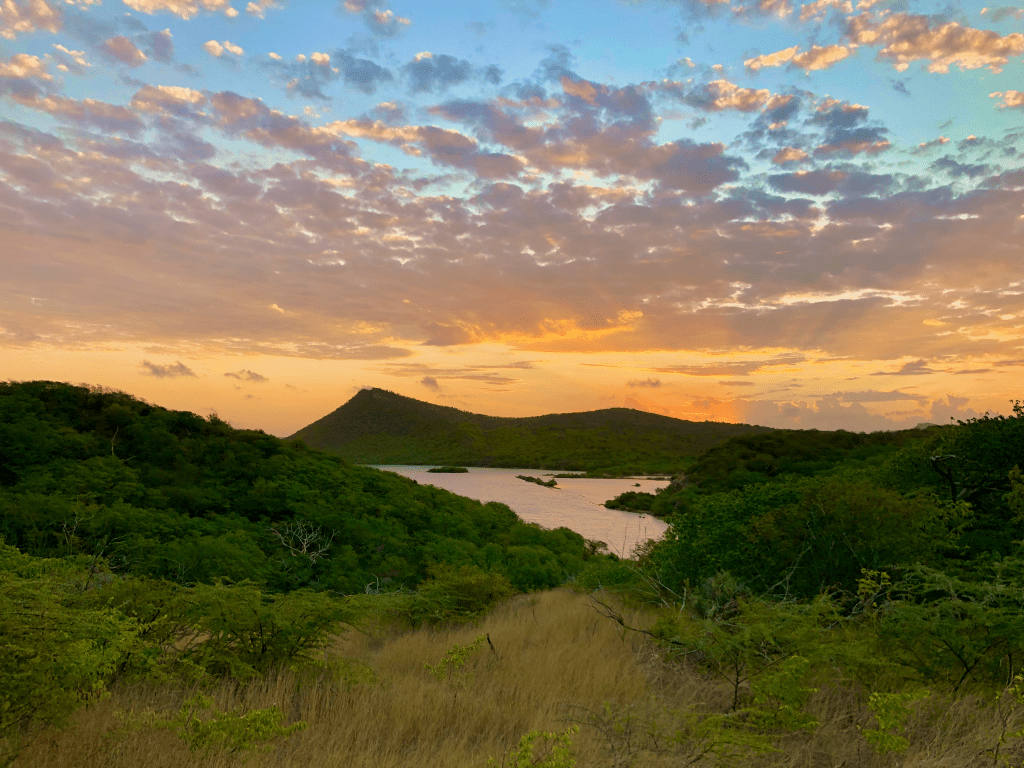
Equatorial sunrise
At the Equator, the daytime period always lasts about 12 hours, regardless of season, and the Sun always rises and sets vertically. The high zenith at solar noon makes these regions the warmest overall on the planet. 🔎
-
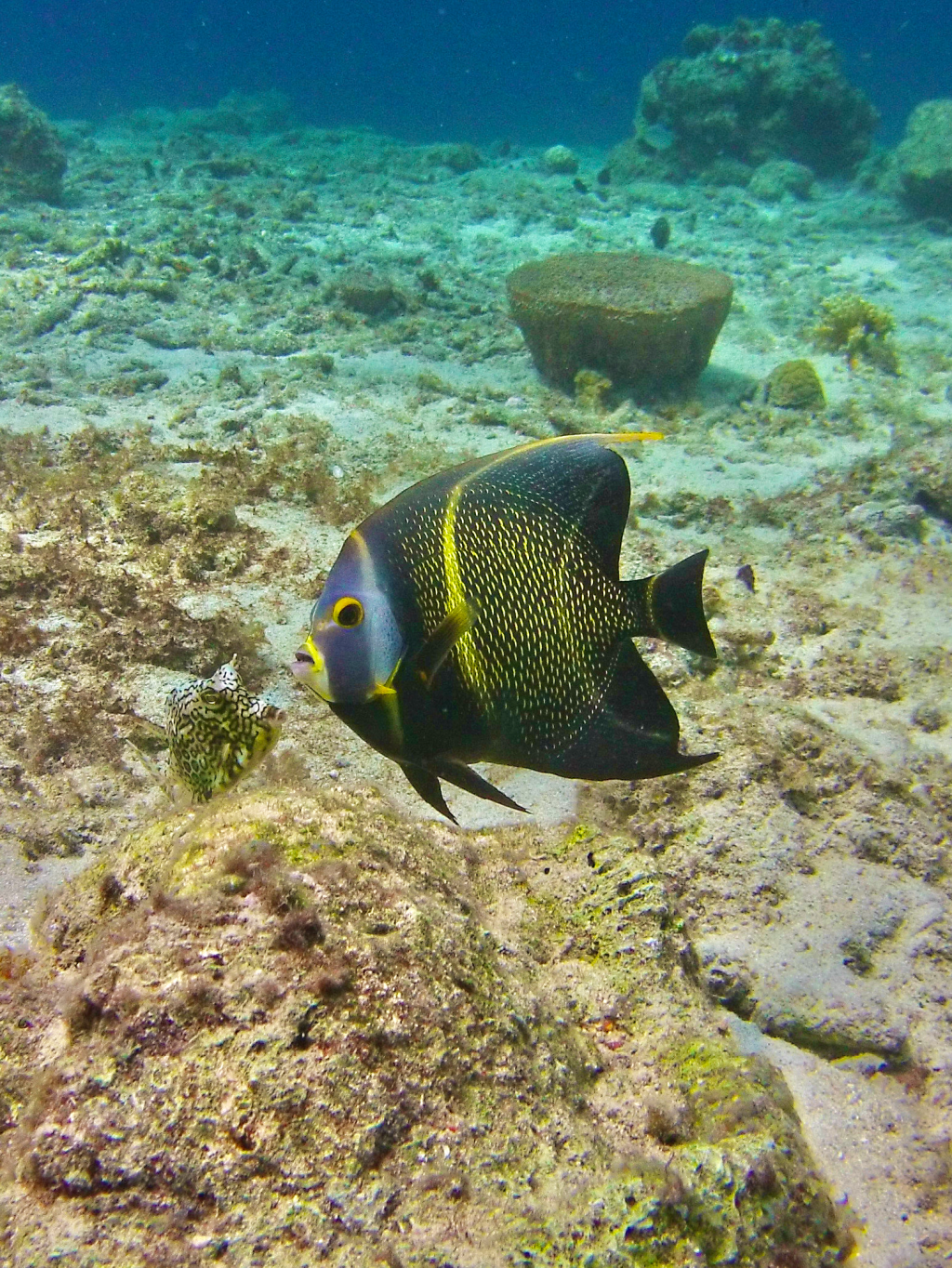
French Queen Angelfish
This large reef fish is wholly unafraid of divers, and is usually found in pairs. 🔎
-
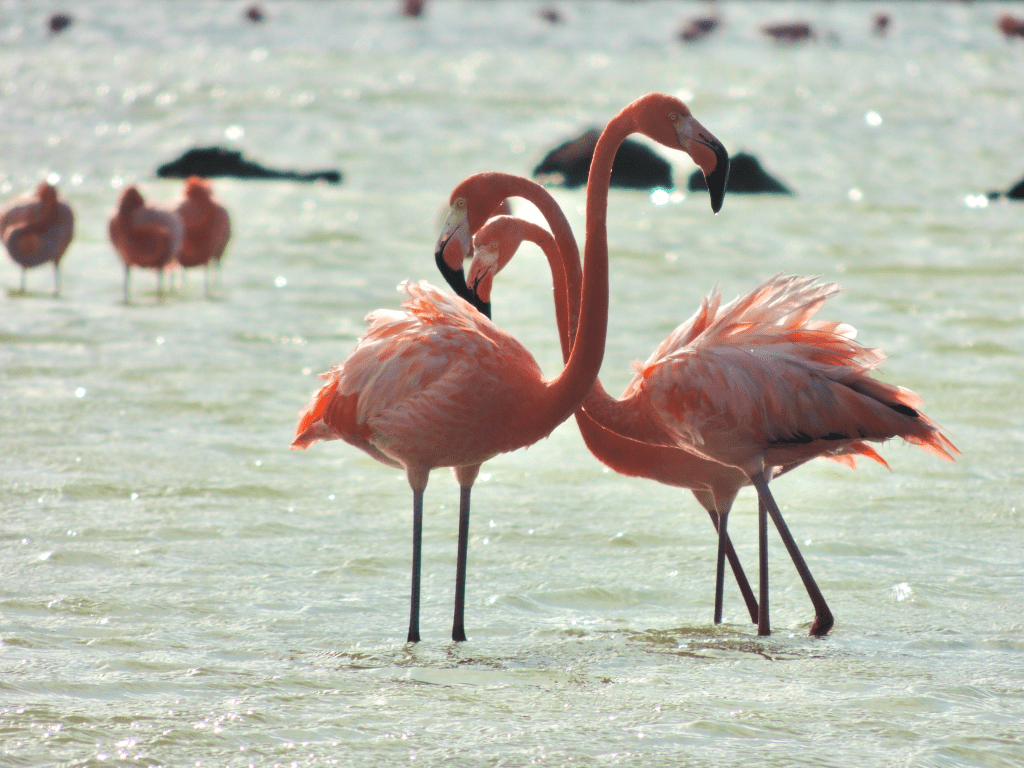
American flamingos
The American flamingo’s preferred habitats are similar to those of its relatives: saline lagoons, mudflats, and shallow, brackish coastal lakes. They frequent Curaçao’s salt flats. 🔎